A Beginner's Guide to Modern Tarot Interpretations


Understanding Tarot: A Brief Introduction
Tarot cards have been used for centuries as a tool for divination and personal insight. Traditionally, tarot readings were often seen as mystical or mysterious, but modern interpretations make them accessible to everyone. Whether you're seeking guidance or exploring self-awareness, tarot can offer valuable insights.
The Structure of a Tarot Deck
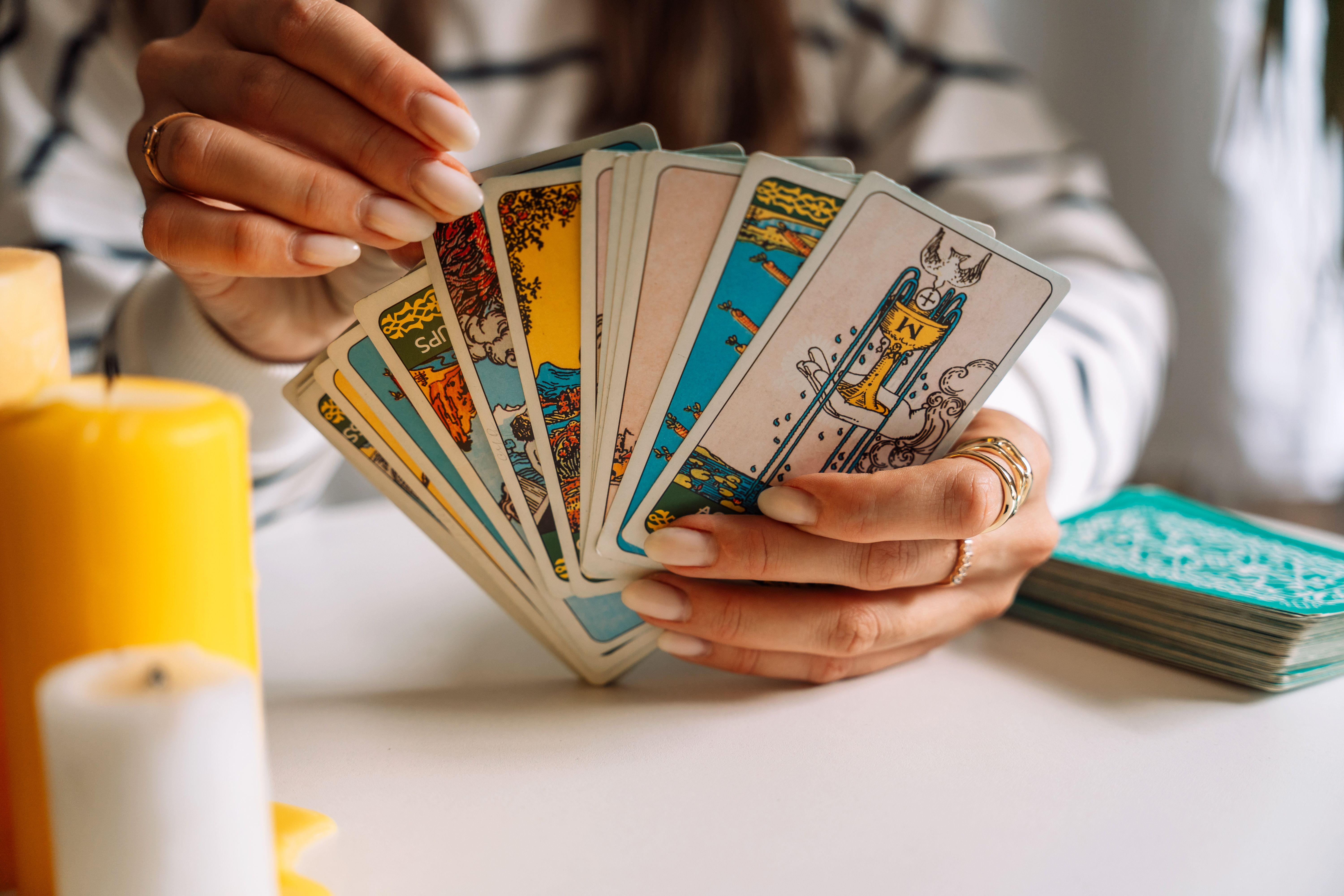
A standard tarot deck consists of 78 cards, divided into two main sections: the Major Arcana and the Minor Arcana. The Major Arcana includes 22 cards that represent significant life themes and lessons, such as The Fool, The Magician, and The World. These cards often indicate major influences or turning points in a reading.
The Minor Arcana is made up of 56 cards divided into four suits: Cups, Pentacles, Swords, and Wands. Each suit represents different aspects of life and personal experiences. The Minor Arcana cards are similar to a traditional deck of playing cards, with each suit containing cards numbered from Ace to Ten, plus four court cards: Page, Knight, Queen, and King.
Interpreting Tarot Cards
Interpreting tarot cards involves understanding their symbolism and context within a spread. A spread is the layout of cards drawn during a reading. Popular spreads include the Celtic Cross, the Three-Card Spread, and the One-Card Pull. Each position in a spread offers specific insights, and the cards interact to tell a story.
Modern tarot readers often emphasize intuitive interpretation. This means going beyond traditional meanings and tapping into your personal feelings and associations with each card. Trusting your intuition can lead to more personalized and relevant insights during a reading.
Common Tarot Myths Debunked
Many misconceptions surround tarot, often rooted in its historical mystique. Let's debunk a few common myths:
- Tarot is not fortune-telling: While it can provide guidance, tarot is more about self-reflection and understanding than predicting the future.
- Anyone can read tarot: You don't need to be "psychic" to read tarot. Practice, study, and an open mind are the keys to developing your skills.
- Tarot isn't inherently negative: Some people fear drawing "bad" cards like Death or The Tower, but these cards often signify transformation and change rather than literal doom.
Getting Started with Your Tarot Journey
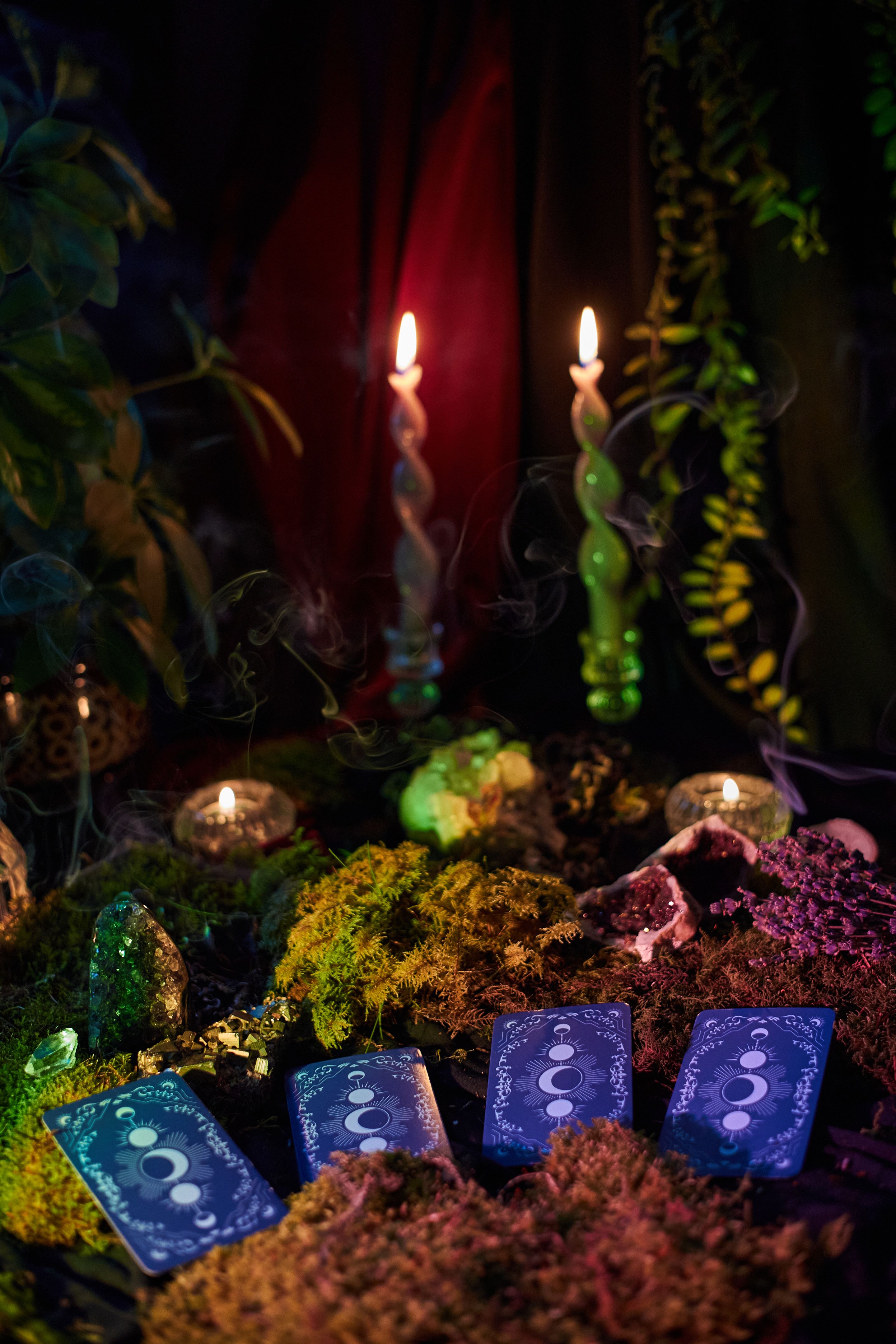
If you're interested in exploring tarot, the best place to start is with a deck that resonates with you. Spend time familiarizing yourself with the cards, their imagery, and potential meanings. Journaling your readings can help track your progress and deepen your understanding over time.
Consider joining a tarot community, either online or in person, to share experiences and learn from others. Engaging with fellow enthusiasts can provide support and enhance your practice.
Conclusion: Embrace the Journey
Tarot is a powerful tool for introspection and growth. By embracing modern interpretations and trusting your intuition, you can unlock new levels of self-awareness and insight. Remember, tarot is a journey, not a destination. Enjoy the process of discovery and personal transformation it offers.