A Beginner's Guide to Tarot Card Reading: Finding Spiritual Guidance


Understanding Tarot Cards
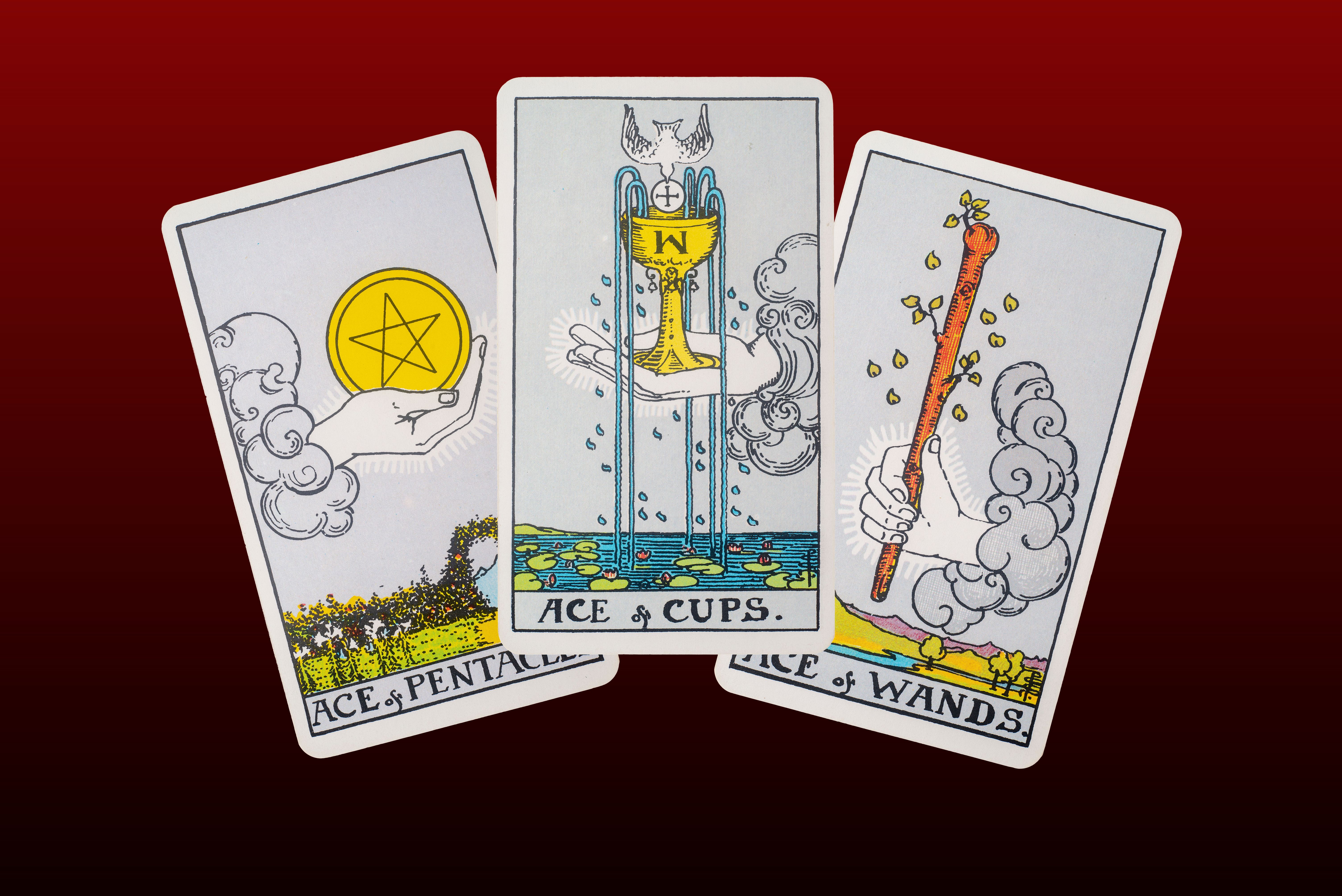
Tarot card reading is a fascinating practice that has been used for centuries as a means of spiritual guidance and self-reflection. The tarot deck consists of 78 cards, each with its unique symbolism and meaning. These cards are divided into the Major Arcana and Minor Arcana. The Major Arcana, consisting of 22 cards, represents life's karmic and spiritual lessons, while the Minor Arcana reflects daily events and challenges.
When beginning your journey into tarot card reading, it's essential to familiarize yourself with the deck and its components. Understanding the imagery and symbolism of each card can help you interpret the messages they convey more clearly.
Setting the Right Environment
To perform a tarot reading, it's crucial to create a serene and focused environment. Find a quiet space where you can concentrate without interruptions. Light candles or incense to set a calming ambiance, and consider playing soft background music if that helps you relax.
Before starting your reading, take a few deep breaths to center yourself. Some readers find it helpful to meditate briefly or say a positive affirmation to align their energy with the task at hand. This not only enhances your intuition but also allows you to connect more deeply with the cards.
Getting Started with a Simple Spread
For beginners, starting with a simple spread is an excellent way to practice reading tarot cards. The most common beginner-friendly spread is the three-card spread, which provides insights into the past, present, and future.
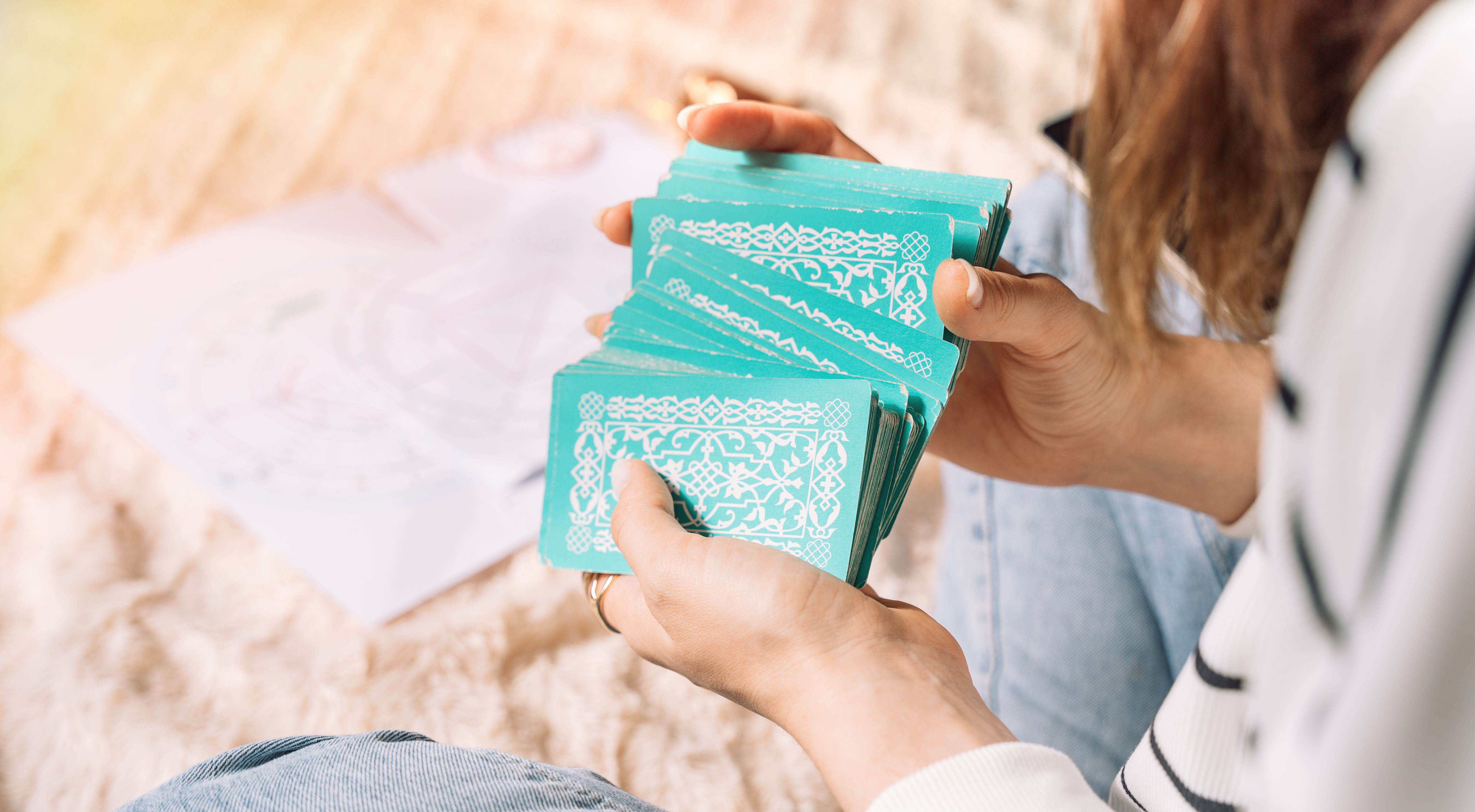
- Shuffle the deck while focusing on your question or intention.
- Draw three cards and lay them in a line from left to right.
- Interpret each card's meaning in relation to its position in the spread.
Interpreting the Cards
Interpreting tarot cards requires intuition and an understanding of their symbolism. While guidebooks are helpful, it's important to trust your instincts when reading the cards. Consider how each card's imagery relates to your question or situation.
The first card typically represents past influences or events affecting the present situation. The second card sheds light on the current circumstances, while the third card offers potential outcomes or future guidance. By reflecting on these interpretations, you can gain valuable insights into your life's path.
Practicing Regularly
Like any skill, tarot reading improves with practice. Set aside time regularly to work with your tarot cards. Keep a journal to record your readings and track your progress. Note any patterns or recurring themes that emerge over time, as they can provide deeper insights into your personal journey.

Additionally, don't hesitate to explore different spreads and techniques as you grow more comfortable with tarot reading. Each experience will enhance your understanding and connection with the cards.
Trusting Your Intuition
Ultimately, tarot card reading is about tapping into your intuition and seeking guidance from within. Trust yourself and the messages you receive during your readings. Remember that the tarot is a tool for reflection and empowerment, helping you navigate life's challenges with clarity and confidence.
As you continue on your journey with tarot, embrace the learning process and remain open to the wisdom that each card reveals. Whether you're seeking answers or simply exploring spirituality, tarot can be a powerful ally on your path to self-discovery.