A Beginner's Guide to Tarot Card Reading: Understanding the Basics


Introduction to Tarot Card Reading
Tarot card reading is an ancient practice that has intrigued and fascinated people for centuries. It combines elements of intuition, psychology, and spirituality to provide insights into life's questions and challenges. Whether you are seeking guidance or simply curious about what the future holds, understanding the basics of tarot can be an enlightening experience.
The tarot deck consists of 78 cards, each with its own symbolism and meaning. These cards are divided into two main categories: the Major Arcana and the Minor Arcana. The Major Arcana represents significant life events and spiritual lessons, while the Minor Arcana focuses on day-to-day occurrences.
Choosing Your Tarot Deck
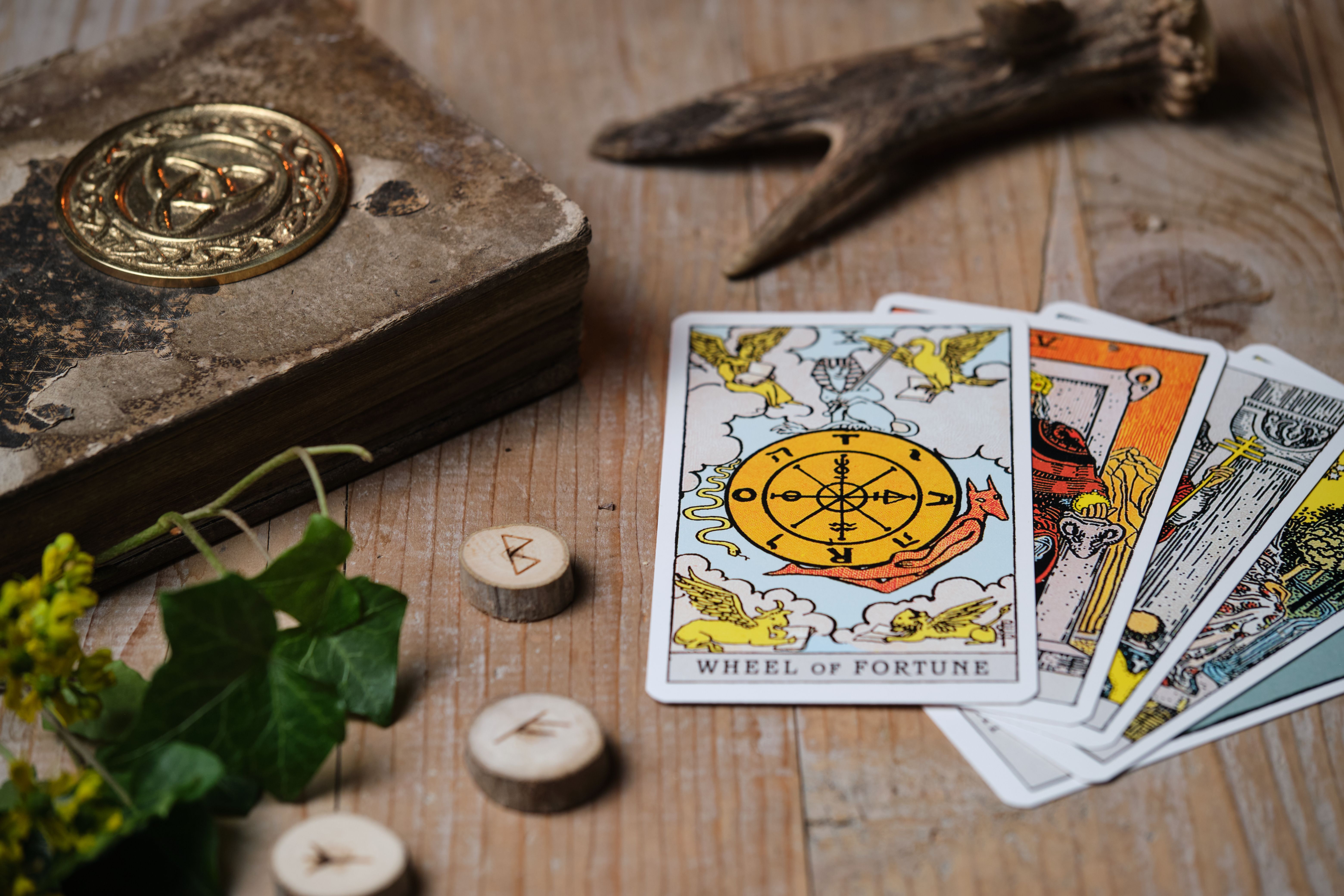
One of the first steps in beginning your tarot journey is choosing a deck that resonates with you. There are countless designs and themes available, from traditional decks like the Rider-Waite-Smith to more modern interpretations. When selecting a deck, consider the artwork, symbolism, and size that appeal to you personally.
It's important to feel a connection with your deck as it becomes a tool for your intuition. Spend some time handling the cards and getting familiar with their imagery before starting your readings. This connection will help you interpret the cards more intuitively.
Understanding the Structure of a Tarot Deck
The Major Arcana consists of 22 cards, each depicting a significant archetype or concept such as The Fool, The Magician, or The World. These cards are often seen as the core of the tarot deck, representing major life themes and turning points.
The remaining 56 cards make up the Minor Arcana, which is further divided into four suits: Cups, Pentacles, Swords, and Wands. Each suit corresponds to different aspects of life and is numbered from Ace to King. Understanding these suits and their associations can help you gain deeper insights during readings.
Getting Started with Basic Spreads
Once you have familiarized yourself with your deck, it's time to try your hand at some basic tarot spreads. A spread is simply an arrangement of cards used during a reading. The simplest spread for beginners is the three-card spread, which provides insights into the past, present, and future.
- Past: Reflects influences or events that are affecting your current situation.
- Present: Represents your current state or immediate challenge.
- Future: Offers potential outcomes or advice based on your current path.
Interpreting the Cards
Interpreting tarot cards involves both understanding their traditional meanings and listening to your intuition. Each card has a range of interpretations that can shift depending on the context of the question or the surrounding cards. It’s essential to remain open-minded and trust your instincts during readings.

Keep in mind that tarot is not about predicting an unchangeable future but rather offering guidance and insights that empower you to make informed decisions. With practice and patience, your ability to read and interpret the cards will improve.
Practicing Regularly
As with any skill, regular practice is key to becoming proficient in tarot reading. Dedicate time to perform readings for yourself or friends, and consider keeping a journal to record your interpretations and reflections. This will help you track your progress and deepen your understanding over time.
Remember, tarot reading is a personal journey that evolves as you grow. Embrace the learning process and enjoy the insights that come with each reading.