A Guide to Understanding Tarot: From Cards to Readings


Introduction to Tarot
Tarot is a fascinating world that blends art, mysticism, and psychology. For centuries, people have turned to tarot cards for guidance, reflection, and insight into the future. Whether you're a curious beginner or an avid enthusiast, understanding tarot can be a rewarding journey.
At its core, tarot is a deck of 78 cards, each with its own imagery, symbolism, and story. These cards are divided into two main sections: the Major Arcana and the Minor Arcana. Together, they form a comprehensive tool for introspection and divination.
The Structure of a Tarot Deck
Major Arcana
The Major Arcana consists of 22 cards, each representing significant life themes and spiritual lessons. Cards like The Fool, The Lovers, and The World carry profound messages and are often considered the heart of the tarot deck. These cards can provide insight into major influences and pivotal moments in one's life.
Minor Arcana
The Minor Arcana, on the other hand, contains 56 cards divided into four suits: Cups, Pentacles, Swords, and Wands. Each suit represents different aspects of life, such as emotions, material possessions, intellect, and creativity. The Minor Arcana often focuses on the day-to-day events and challenges we face.
Getting Started with Tarot
Choosing Your Deck
Selecting a tarot deck is a personal decision. There are countless designs and themes available, from traditional Rider-Waite decks to modern interpretations. When choosing a deck, consider what artwork resonates with you and what you feel connected to.
Understanding Card Meanings
Each tarot card has specific meanings and interpretations. While guidebooks can provide valuable insights, it's essential to develop your intuition and personal connection with each card. Journaling your thoughts and experiences with the cards can enhance your understanding over time.

Performing a Tarot Reading
Preparing for a Reading
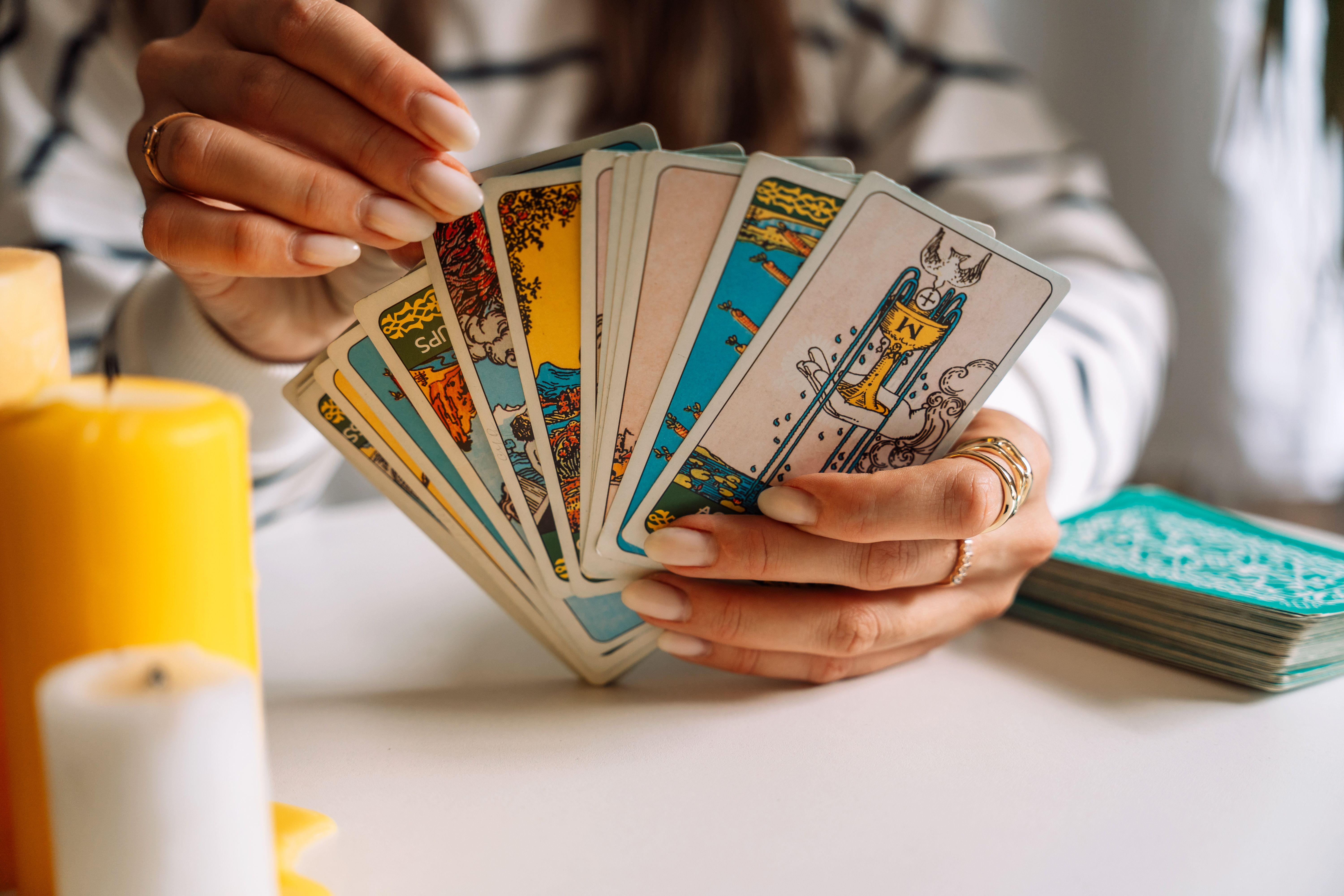
Setting the right environment is crucial for a successful tarot reading. Find a quiet space where you feel comfortable and relaxed. Some people like to light candles or incense to create a peaceful atmosphere. Shuffling the cards while focusing on your question or intention is an essential step in preparing for a reading.
Interpreting the Spread
There are various tarot spreads you can use, from simple three-card layouts to more complex arrangements like the Celtic Cross. Each position in a spread has a specific meaning, contributing to the overall interpretation of the reading. Take your time to analyze the cards and trust your instincts.
Tarot is a journey of self-discovery and reflection. Whether you seek answers to specific questions or a deeper understanding of your life's path, tarot can offer profound insights and guidance.