Debunking Common Tarot Myths: What Every Seeker Should Know


Understanding Tarot: Beyond the Myths
Tarot cards have long been shrouded in mystery, often misunderstood as tools of divination reserved for fortune-tellers. However, these myths can overshadow the true essence and utility of tarot. Let's explore some common misconceptions and uncover the truth behind tarot readings.
Myth 1: Tarot Predicts the Future
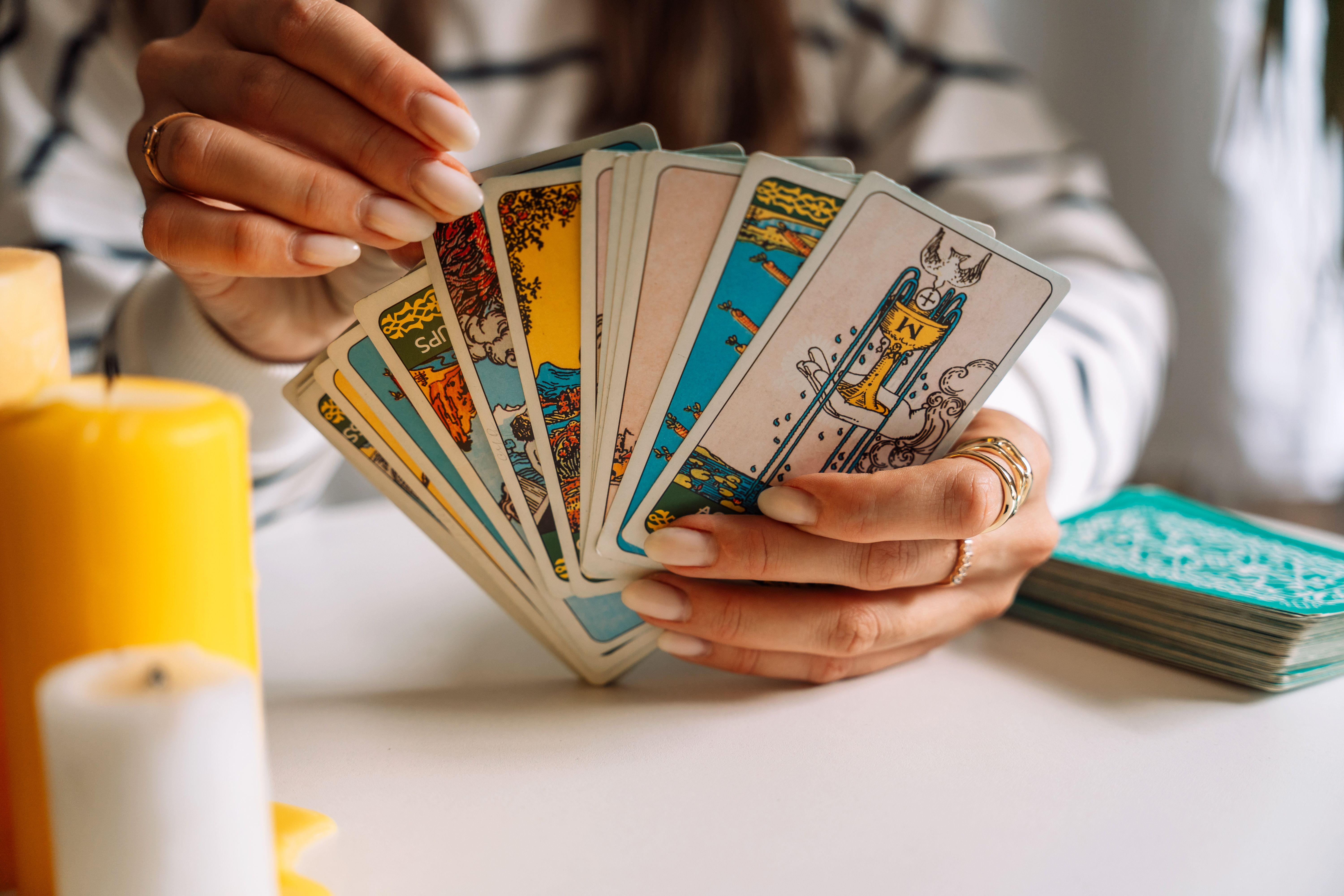
One of the most prevalent myths about tarot is that it can predict the future with absolute certainty. In reality, tarot is not about foretelling future events. Instead, it serves as a reflective tool that provides insights into your current situation and potential outcomes based on your present path. Tarot encourages self-reflection and empowers individuals to make informed decisions.
Each card in a tarot deck symbolizes various aspects of life and emotions, offering guidance rather than definitive answers. The power of tarot lies in its ability to provoke thought and introspection, helping seekers gain clarity and perspective on their circumstances.
Myth 2: You Need Psychic Abilities to Read Tarot
A common misconception is that you need to possess psychic abilities or special powers to read tarot cards effectively. This is far from the truth. Anyone with an interest in learning can become proficient in tarot reading. It requires practice, intuition, and an openness to exploring the symbolism and meanings behind each card.
Many readers rely on their intuition and connect with their inner wisdom to interpret the cards. While some may choose to combine their readings with psychic insights, it is not a prerequisite for understanding or using tarot.
Myth 3: Tarot is Associated with Dark Magic
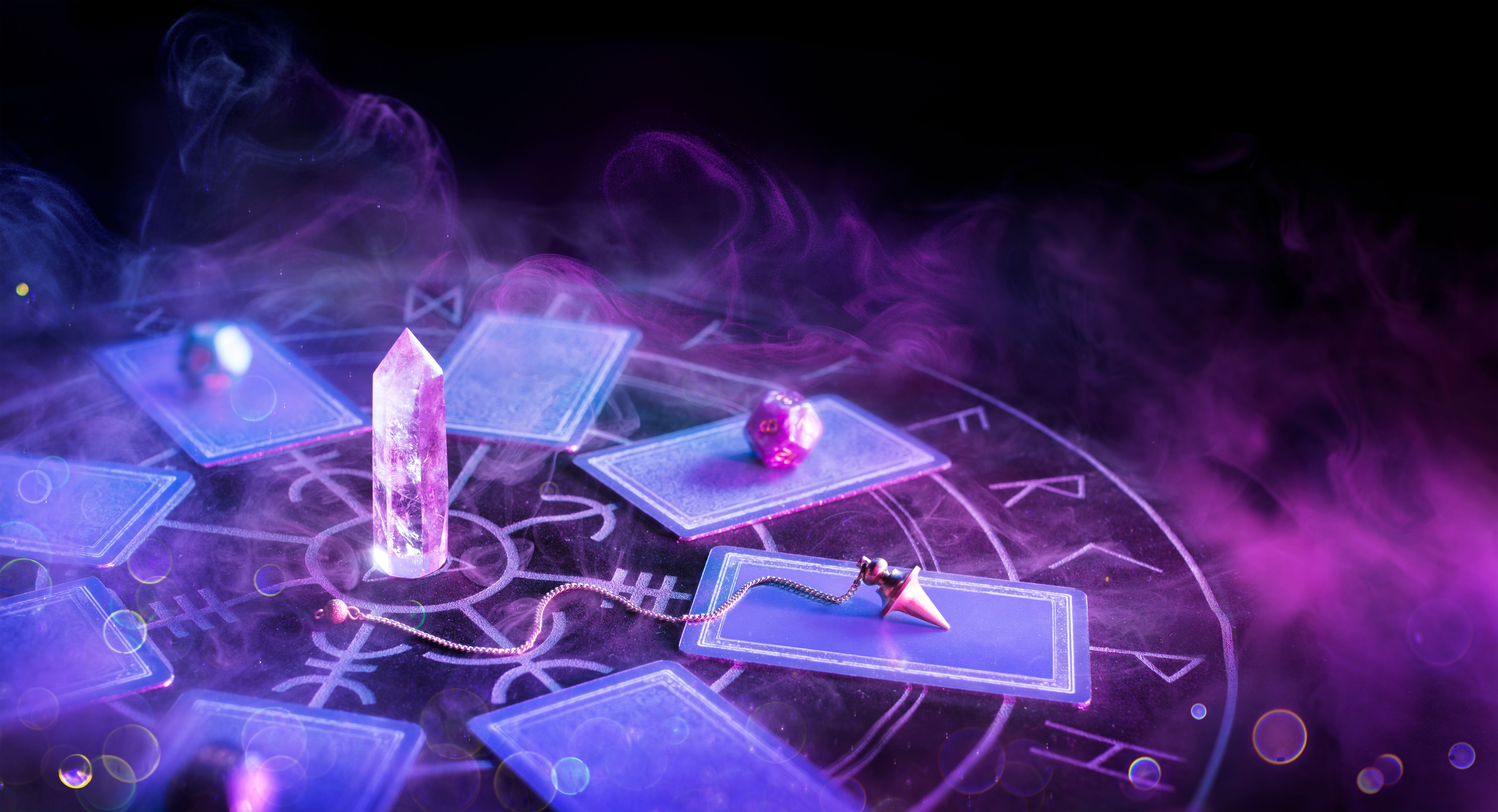
Another myth that often deters people from exploring tarot is its supposed association with dark magic or occult practices. This misconception likely stems from its mystical imagery and historical associations. However, tarot is fundamentally a tool for personal growth and self-discovery.
The imagery used in tarot decks is rich with symbolism, drawing on archetypes from various cultures and traditions. These symbols are meant to evoke a deeper understanding of life's complexities, not to summon supernatural forces. Tarot is a practice grounded in introspection, not mysticism.
Myth 4: Only Certain Decks Are Authentic
With a vast array of tarot decks available, some believe that only specific decks are authentic or effective. In truth, the best deck is one that resonates with the reader. Whether it's the classic Rider-Waite-Smith deck or a modern interpretation, authenticity comes from personal connection and comfort with the deck's imagery.
Choosing a tarot deck is a personal journey. It's important for readers to find one that speaks to them on a personal level, enhancing their ability to interpret and connect with the cards' meanings.
The Real Magic of Tarot
The real magic of tarot lies in its capacity to foster self-awareness and encourage seekers to explore their inner landscapes. By debunking these myths, we open the door to a richer understanding of how tarot can be used for personal growth and empowerment.
If you're curious about tarot, approach it with an open mind and heart. Embrace its potential as a tool for reflection, rather than as a source of mystical predictions. With practice and patience, anyone can uncover the wisdom that tarot has to offer.