The Art of Tarot: Understanding the Cards and Their Meanings


Tarot cards have been a source of intrigue and mystery for centuries. They are not just a tool for divination but also a way to explore deeper aspects of the self. Understanding the art of Tarot involves delving into the symbolism and meanings behind each card, as well as learning how to interpret them within different contexts.
History of Tarot
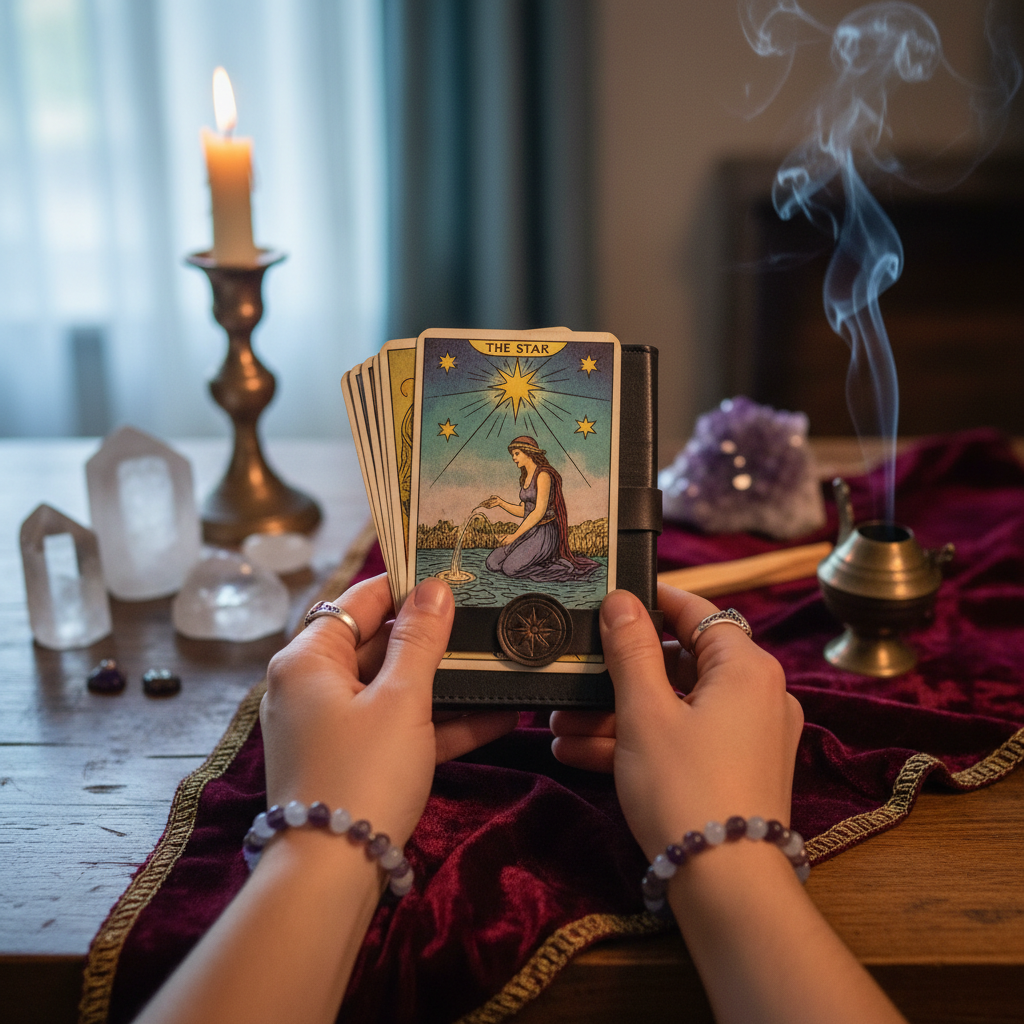
The origins of Tarot can be traced back to the mid-15th century in Europe, where they were initially used as playing cards. It wasn't until the 18th century that Tarot began to be associated with mysticism and the occult. These cards soon became a tool for fortune-telling and personal reflection, with each deck offering unique interpretations and insights.
The Structure of a Tarot Deck
A standard Tarot deck consists of 78 cards, divided into two main sections: the Major Arcana and the Minor Arcana. The Major Arcana comprises 22 cards, each representing significant life themes and spiritual lessons. The Minor Arcana consists of 56 cards that focus on day-to-day events and personal experiences.
Understanding the Major Arcana
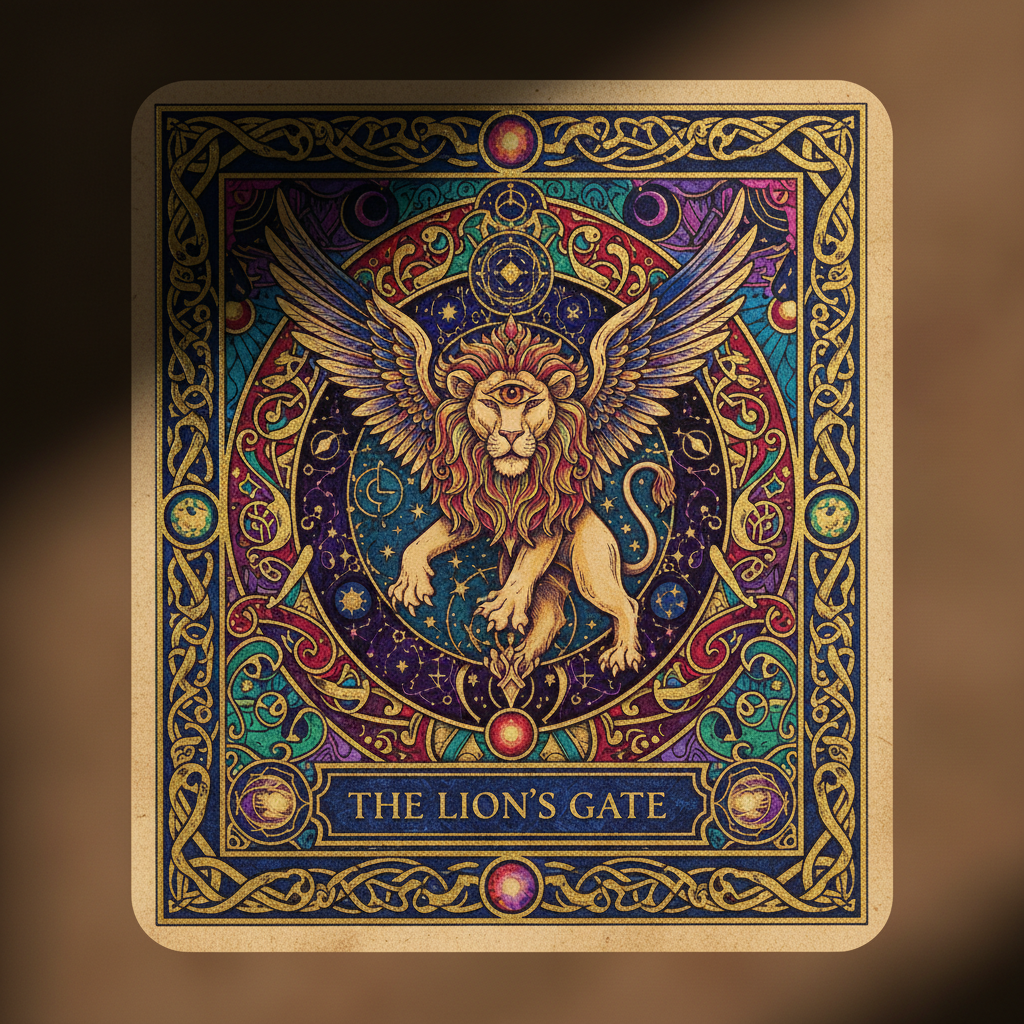
The Major Arcana cards are often seen as the heart of the Tarot deck. Each card in this group is imbued with deep symbolism and powerful messages. For example, The Fool represents new beginnings and potential, while The World signifies completion and fulfillment. Understanding these cards requires a careful study of their imagery and historical context.
Exploring the Minor Arcana
The Minor Arcana is divided into four suits: Cups, Pentacles, Swords, and Wands. Each suit corresponds to different aspects of life, such as emotions, material wealth, intellect, and creativity. Within each suit, cards are numbered from Ace to King, with each number and face card adding its own layer of meaning.
Interpreting Tarot Readings
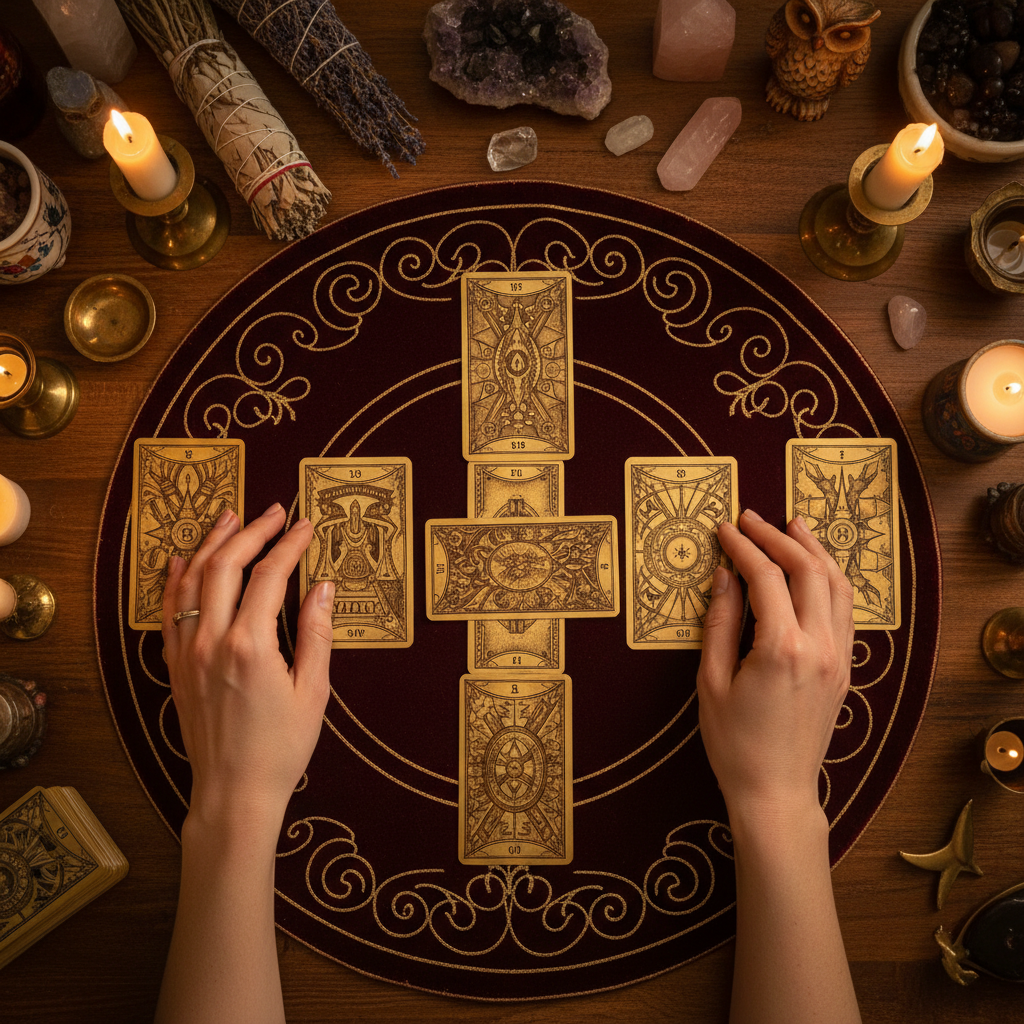
Reading Tarot is an art that combines intuition with knowledge of the cards. A typical reading involves drawing cards and interpreting their meanings based on their position in a spread. Common spreads include the three-card spread for past, present, and future insights, and the Celtic Cross for more comprehensive readings.
Tips for Beginners
For those new to Tarot, it's essential to approach the cards with an open mind and a willingness to explore. Here are some tips to get started:
- Start with a simple spread to build confidence.
- Keep a journal to record your readings and track your progress.
- Use guidebooks and resources to deepen your understanding.
The Role of Intuition
While learning the traditional meanings of the cards is crucial, intuition plays a significant role in Tarot readings. Each reading is unique, and tapping into your intuitive sense can reveal insights specific to your situation. Trusting your instincts will enhance your ability to connect with the cards on a deeper level.
The art of Tarot is a journey of self-discovery and reflection. Whether you're seeking clarity, guidance, or simply exploring the mystical, Tarot offers a rich tapestry of symbols and meanings to explore. Embrace the journey, and let the cards illuminate your path.