The Evolution of Tarot: From Ancient Origins to Modern Practices


Ancient Origins of Tarot
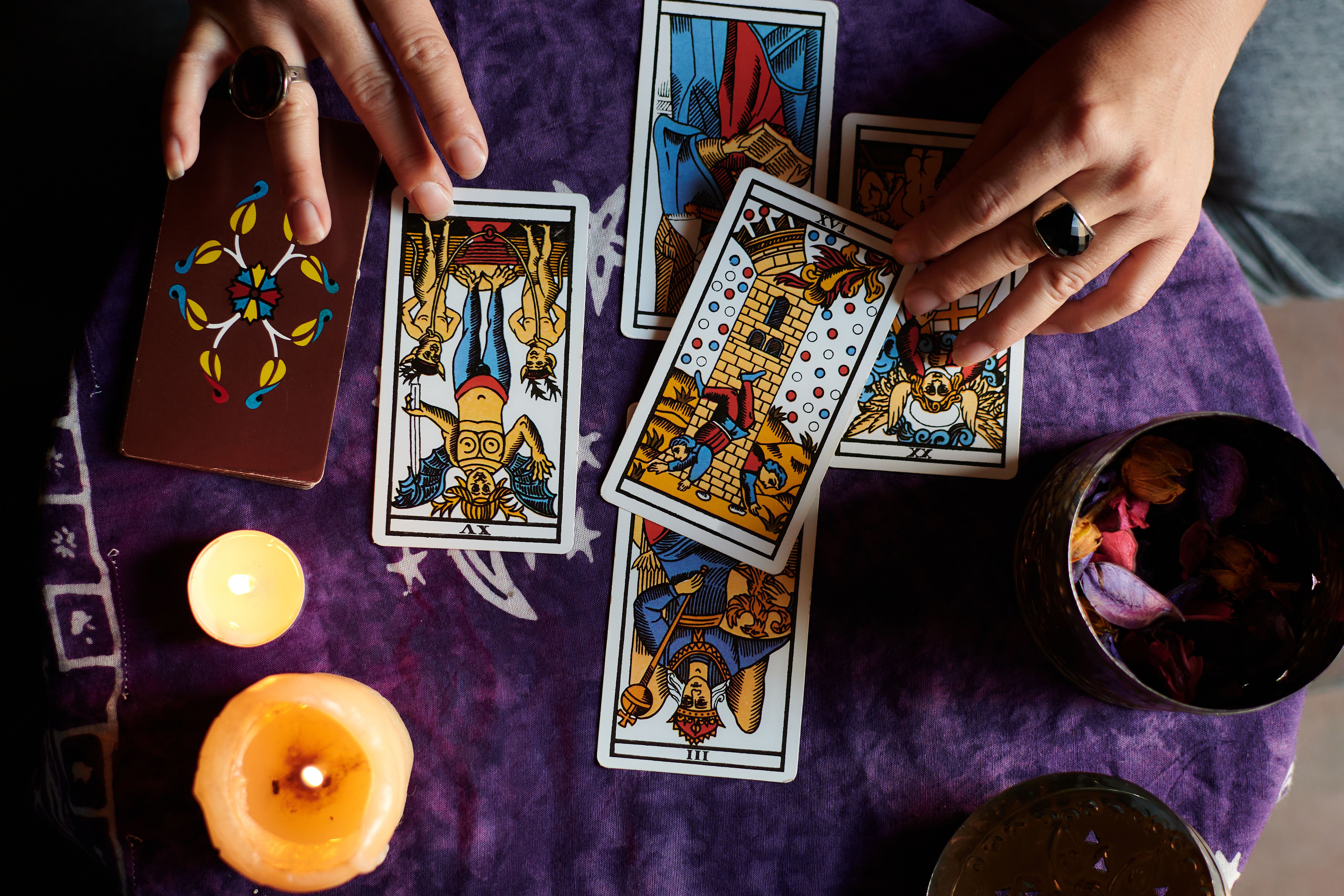
The history of tarot is rich and complex, stretching back centuries to its mysterious origins. Many believe that tarot cards first emerged in the mid-15th century in Europe, with the earliest known decks being used primarily for playing card games rather than divination. These early decks, known as "Tarocchi" in Italy, were a pastime for the aristocracy before they evolved into the mystical tools we recognize today.
Some scholars suggest that the symbolic imagery of tarot may have been influenced by ancient Egyptian, Jewish, or Indian cultures. However, there is limited historical evidence to support these claims. The transformation of tarot from a game to a metaphysical tool is thought to have begun in the late 18th century when mystics and occultists started to explore the cards’ potential for divination.
The Shift to Divination
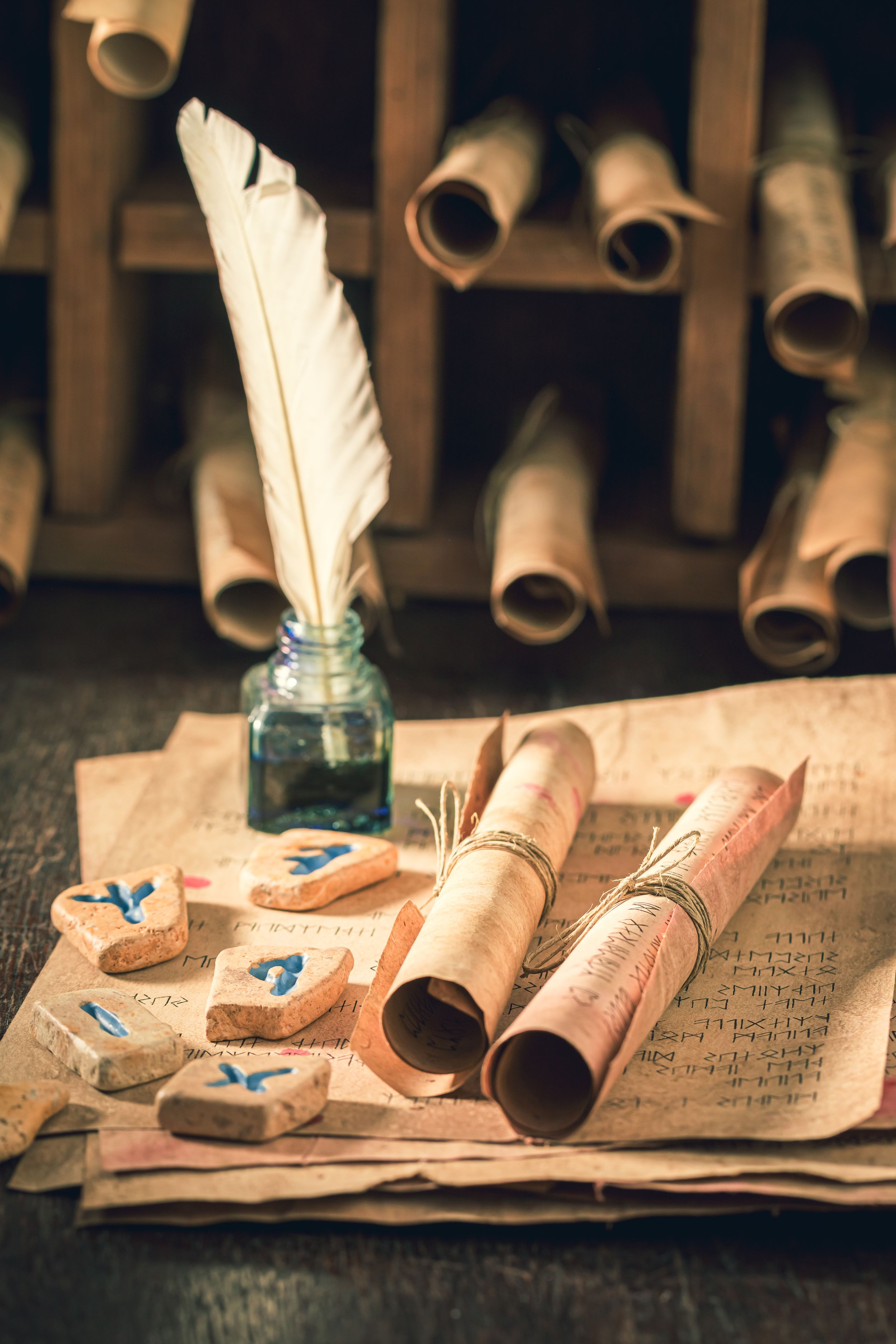
By the 18th century, tarot had become associated with the occult and mysticism. Antoine Court de Gébelin, a French clergyman and Freemason, was one of the first to propose that tarot held ancient Egyptian wisdom. His writings claimed that the imagery of tarot cards contained hidden knowledge passed down through generations. This marked a significant shift in how tarot was perceived and used.
During this period, the structure of tarot decks began to standardize, particularly with the creation of the Tarot de Marseille. This deck laid the foundation for modern tarot practices and was used extensively for divination. The Major Arcana cards, in particular, became central to readings due to their archetypal significance.
Modern Tarot Practices
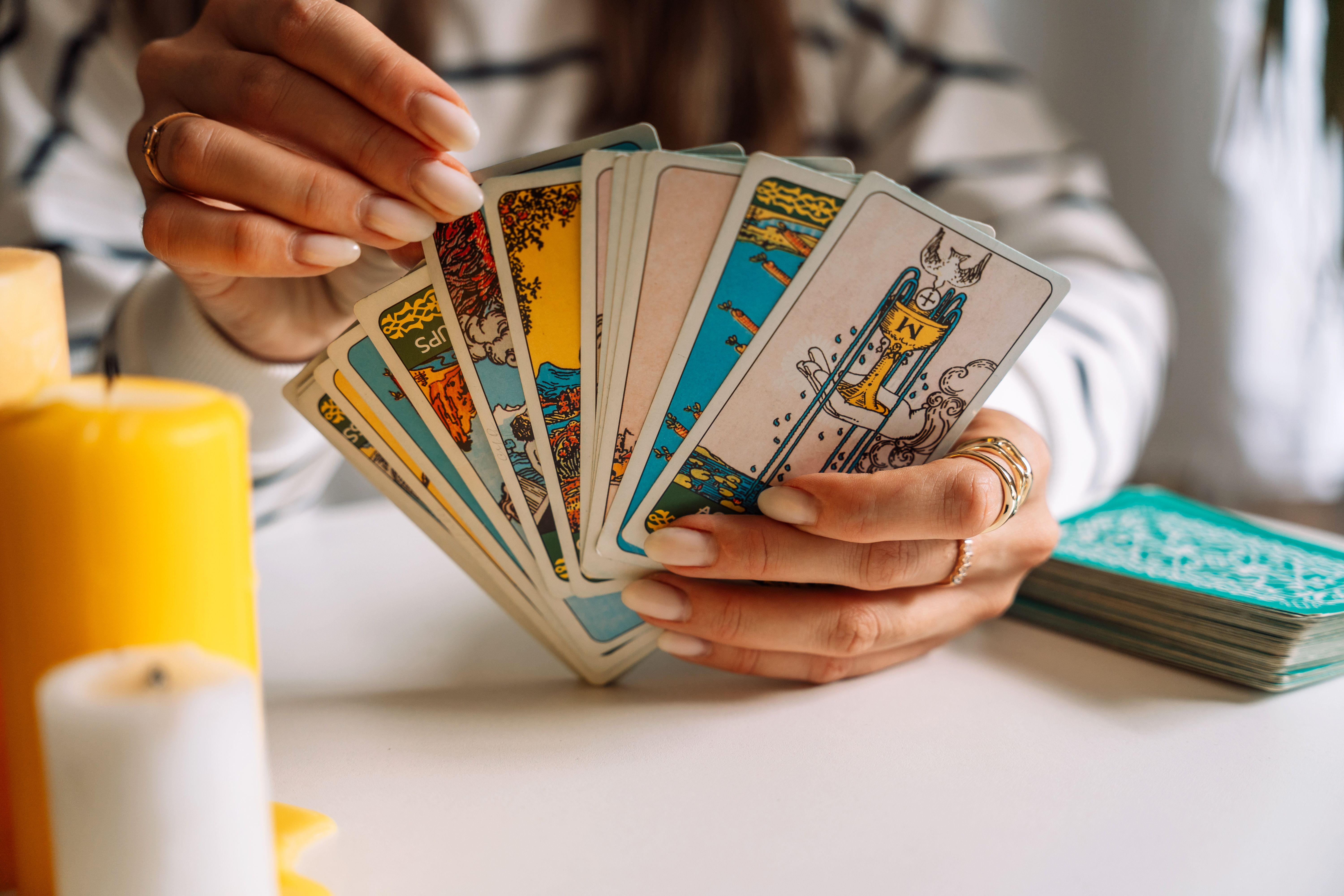
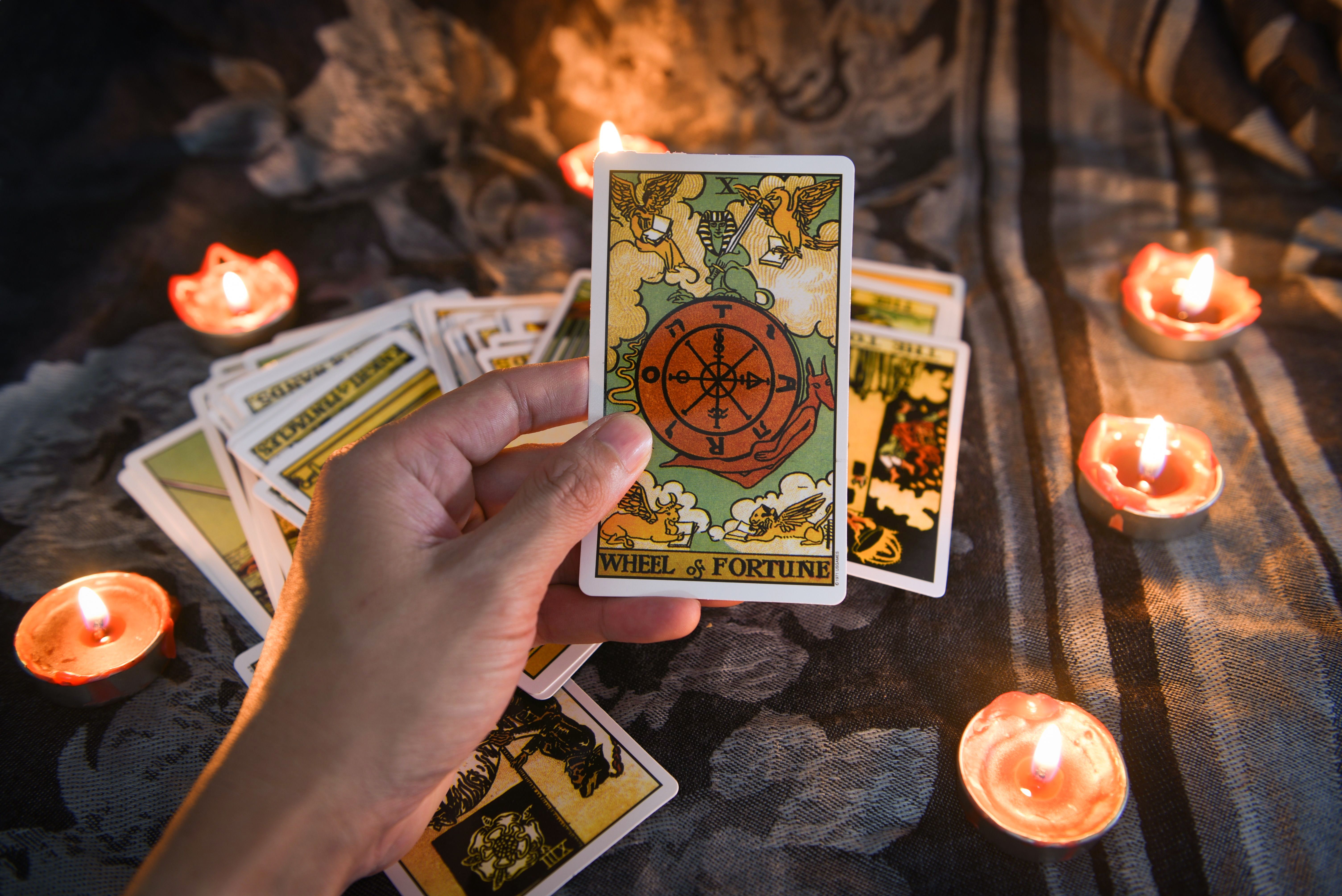
In the 20th century, tarot underwent another transformation with the introduction of the Rider-Waite-Smith deck in 1909. Designed by A.E. Waite and illustrated by Pamela Colman Smith, this deck became one of the most popular and widely used tarot decks in the world. Its vivid imagery and accessible symbolism helped to democratize tarot readings, making them more accessible to the general public.
Today, tarot is utilized for a variety of purposes beyond fortune-telling. Many people use tarot as a tool for self-reflection and personal growth. The cards can offer insights into one's subconscious mind or provide guidance during challenging times. Tarot has also found a place in contemporary spirituality and psychology, often used alongside other practices like meditation and journaling.
Contemporary Interpretations
In recent years, there has been a resurgence in interest in tarot, with new decks emerging that reflect diverse cultural backgrounds and modern themes. Artists and creators have taken liberties with traditional imagery to make the practice more inclusive and representative of today's world. These contemporary decks challenge traditional interpretations and encourage users to explore new narratives and perspectives.
The digital age has also impacted how tarot is practiced and shared. Online platforms and apps make it easier for individuals to access readings from anywhere in the world. Social media communities have formed around tarot, providing spaces for enthusiasts to share insights, learn from one another, and expand their understanding of the cards.
The Future of Tarot
As we look towards the future, tarot continues to evolve, adapting to the changing needs of its users. The growing interest in mindfulness and holistic wellness has positioned tarot as a valuable tool for those seeking balance and clarity in their lives. With its capacity for storytelling and introspection, tarot remains a powerful means of connecting with oneself and others.
While its roots are ancient, tarot's ability to adapt ensures its continued relevance in modern society. Whether used for personal insight or spiritual guidance, tarot offers a unique blend of tradition and innovation that resonates with people across generations.