The Role of Tarot in Modern Spiritual Practices: Trends and Insights


In recent years, tarot has seen a resurgence in popularity, becoming a significant component of modern spiritual practices. This ancient tool, once shrouded in mystery, is now embraced by many seeking personal insight and spiritual growth. As society becomes more open to diverse spiritual practices, tarot continues to evolve, adapting to contemporary needs and perspectives.
The Historical Roots of Tarot
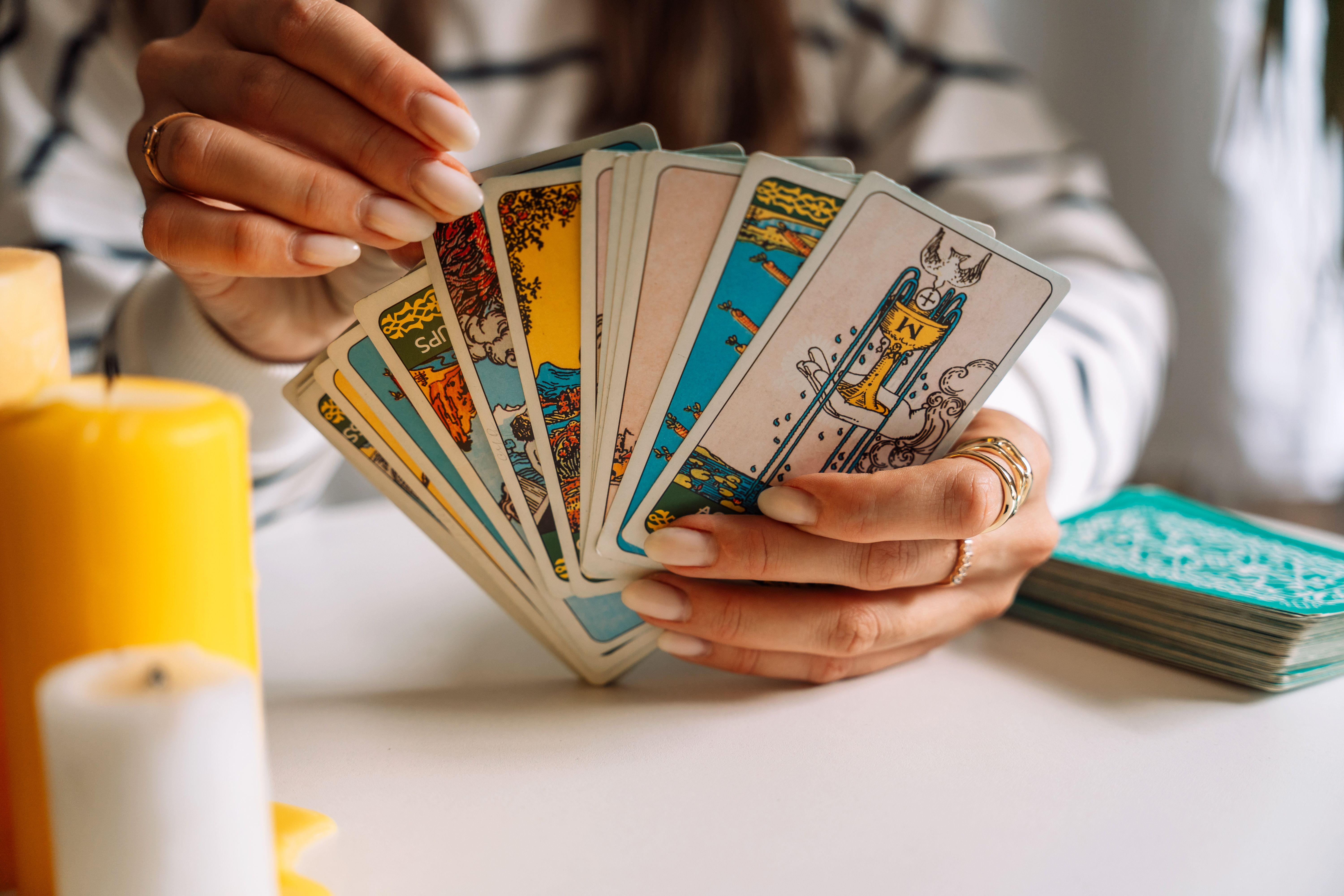
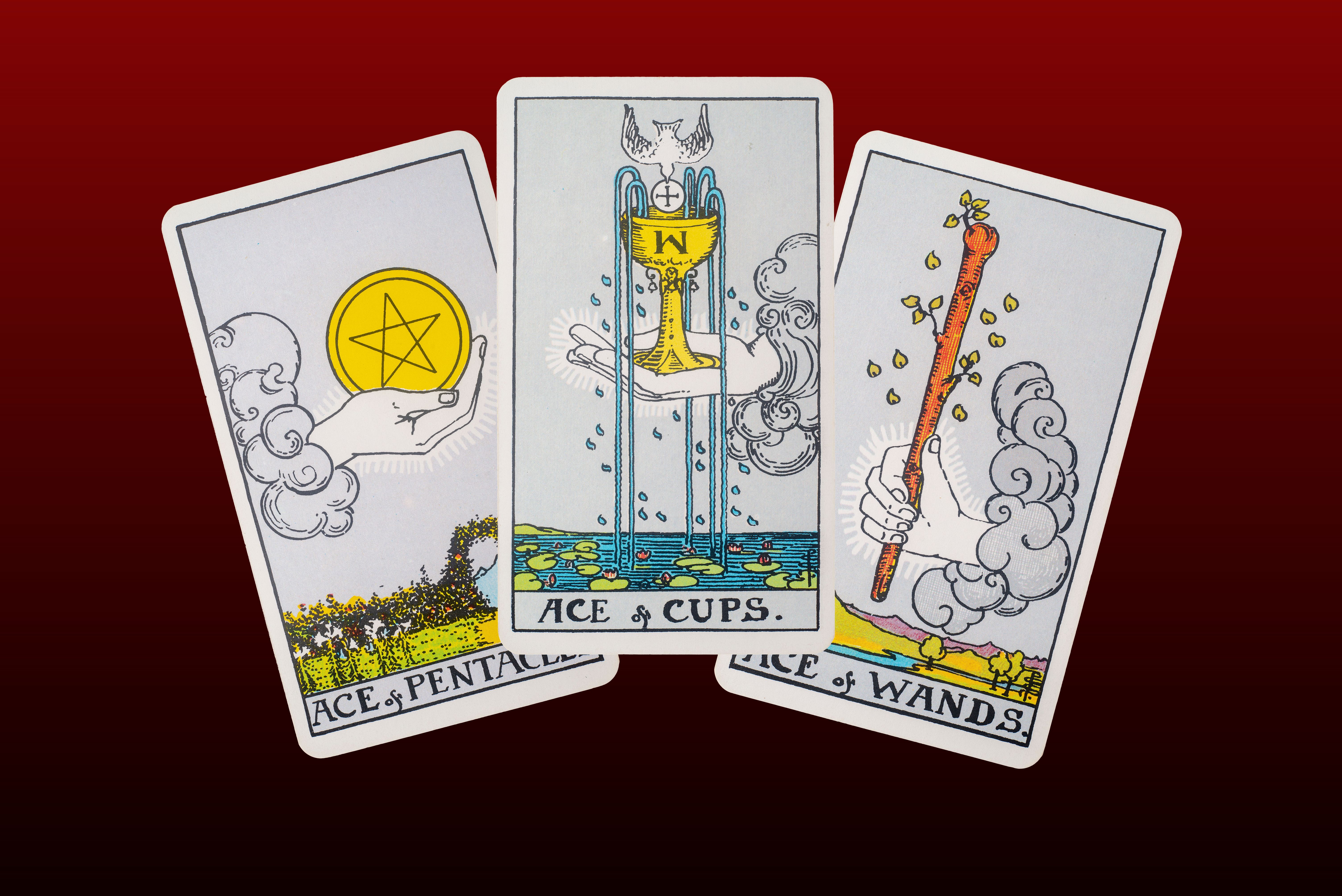
Tarot cards have a rich history that dates back to the 15th century, originally used as playing cards in Europe. Over time, they evolved into a tool for divination and self-discovery. The symbolism and archetypes depicted in tarot decks offer a framework for exploring the subconscious and understanding the human experience.
From Mysticism to Mainstream
Once considered the domain of mystics and fortune-tellers, tarot has entered the mainstream, appealing to a broader audience. This shift is partly due to the growing interest in holistic wellness and the desire for tools that foster self-reflection and mindfulness. Tarot's adaptability allows it to complement various spiritual practices, from meditation to journaling.
Tarot in the Digital Age
The digital age has transformed how people engage with tarot, making it more accessible than ever. Online platforms and apps offer virtual readings and tutorials, allowing users to explore tarot at their own pace. Social media has also played a role in demystifying tarot, with enthusiasts sharing their insights and experiences, creating a vibrant and supportive community.
Popular Tarot Trends
Several trends have emerged in the tarot community, reflecting its dynamic nature:
- Inclusive Decks: Modern tarot decks feature diverse representations, making them more relatable to a wider audience.
- Collaborative Readings: Group readings and workshops encourage shared experiences and collective growth.
- Tarot for Personal Development: Many people use tarot as a tool for personal development, focusing on self-awareness and goal-setting rather than fortune-telling.

Integrating Tarot into Daily Life
For those interested in incorporating tarot into their daily routine, there are various methods to explore. Daily card pulls, for instance, can provide guidance and reflection, helping individuals set intentions for the day. Tarot journaling is another popular practice, allowing users to document their insights and track their spiritual journey over time.
Insights from Tarot Practitioners
Seasoned tarot practitioners offer valuable insights into its application in modern life. They emphasize the importance of intuition and personal interpretation, encouraging users to trust their instincts and use tarot as a tool for empowerment. Workshops and courses provide further opportunities for learning and community building.
The Future of Tarot
As interest in tarot continues to grow, its role in modern spiritual practices is likely to expand. With its rich symbolism and adaptability, tarot is well-suited to meet the evolving needs of those seeking connection and understanding in an increasingly complex world. By embracing both tradition and innovation, tarot remains a timeless and transformative tool for spiritual exploration.