Understanding Modern Tarot Interpretations: A Comprehensive Guide


In recent years, tarot has experienced a resurgence in popularity, captivating a modern audience with its rich symbolism and potential for self-reflection. This resurgence has led to a shift in how tarot is interpreted and used. Understanding modern tarot interpretations requires an exploration of both traditional meanings and contemporary adaptations.
The Evolution of Tarot
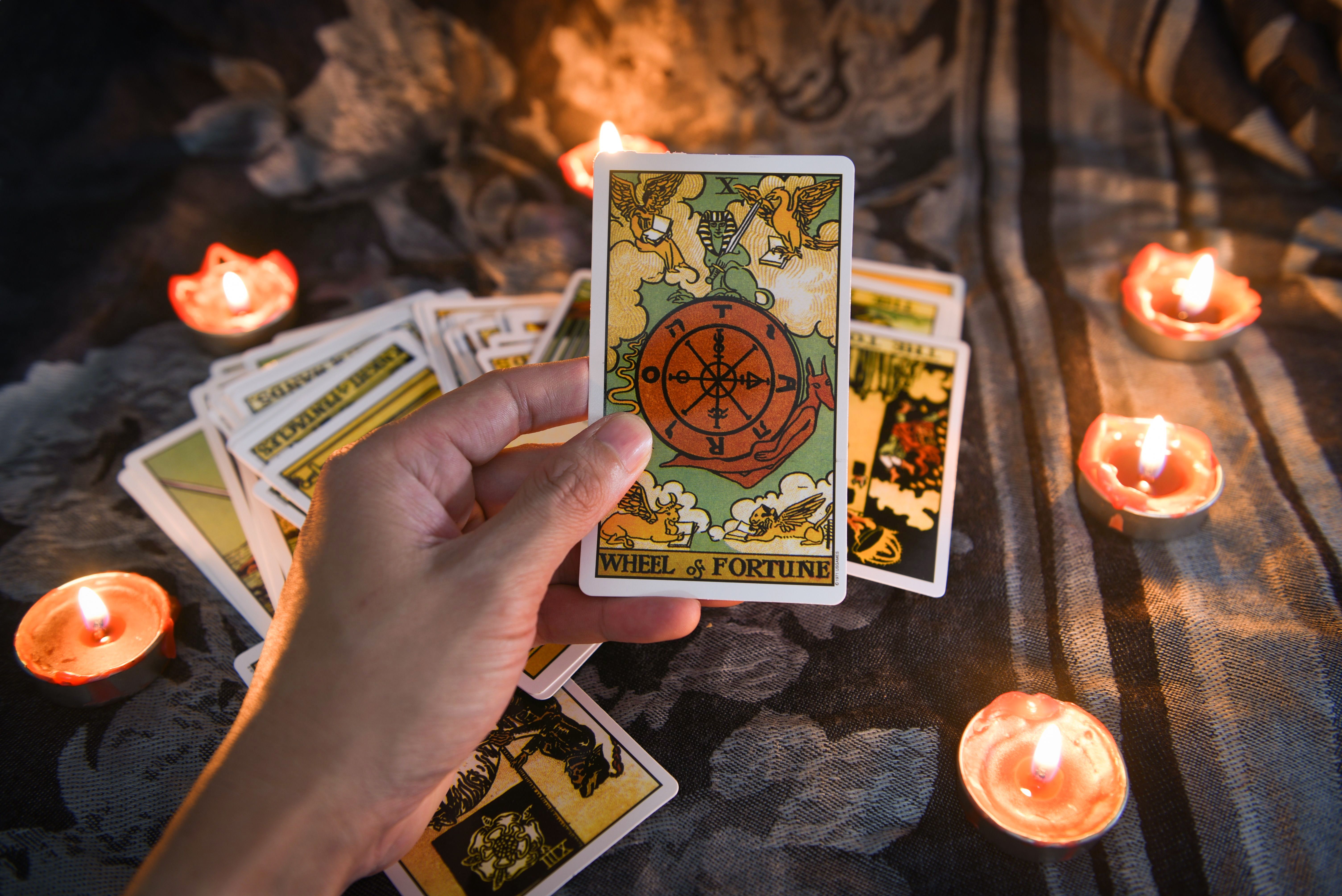
Tarot has a long and storied history, originating in the 15th century as a card game. Over time, it evolved into a tool for divination and personal insight. Traditional tarot decks, such as the Rider-Waite-Smith, are still widely used today, but modern decks often incorporate diverse art styles and cultural elements, making them more relatable to a contemporary audience.
Traditional Meanings
The traditional tarot deck consists of 78 cards divided into the Major and Minor Arcana. Each card has a specific meaning, often rooted in symbolism related to life's journey and personal growth. The Major Arcana, with cards like The Fool, The Magician, and The World, represents significant life events and spiritual lessons. Meanwhile, the Minor Arcana deals with day-to-day experiences and challenges.
Modern Interpretations
Modern tarot interpretations often emphasize personal empowerment and psychological insight. Readers today might focus more on how a card's imagery speaks to the querent's intuition rather than adhering strictly to historical meanings. This approach allows for a more personalized reading experience, catering to individual needs and perspectives.
Intuitive Reading
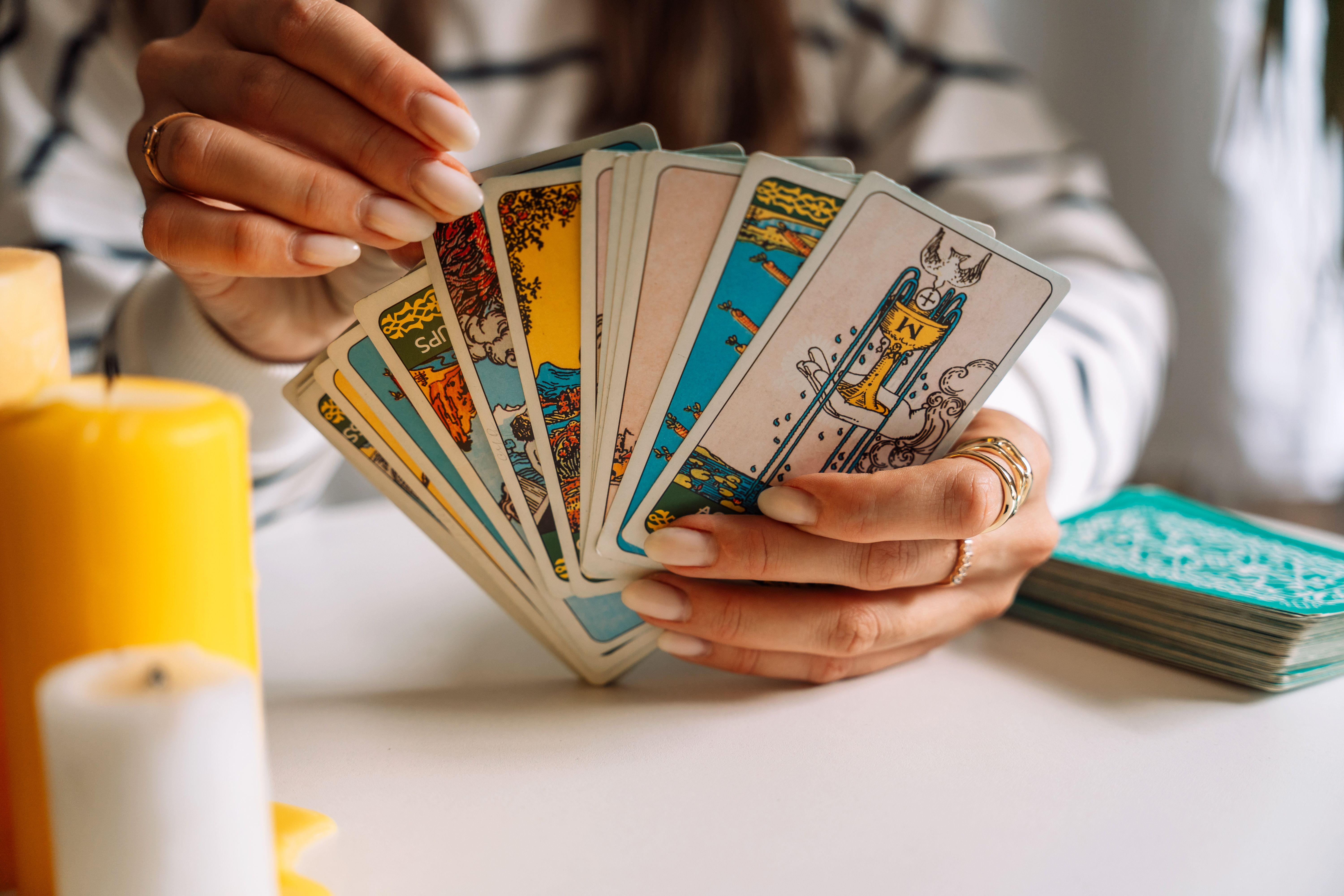
Intuitive tarot reading involves connecting with the cards on a personal level, allowing their imagery and symbolism to resonate with the reader's subconscious. This method encourages tapping into one's intuition, making each reading unique and personalized. It is less about memorizing meanings and more about feeling the energy of the cards.
Using Tarot for Self-Reflection
Many people use tarot as a tool for self-reflection and growth rather than fortune-telling. By posing questions and contemplating the cards drawn, individuals can gain insight into their thoughts, emotions, and behaviors. This approach transforms tarot into a mirror reflecting the querent's inner world, fostering deeper self-awareness.
Common Practices
Engaging with tarot for self-reflection can involve several practices:
- Journaling: Documenting thoughts and feelings about each reading.
- Meditation: Using the imagery of the cards to meditate on specific issues.
- Daily Draws: Pulling a card each day for guidance and contemplation.

Conclusion
Understanding modern tarot interpretations requires an openness to both traditional symbolism and contemporary insights. As tarot continues to evolve, it offers endless possibilities for personal exploration and empowerment. Whether you're a seasoned reader or a curious beginner, tarot can be a powerful tool for navigating life's complexities.