Understanding Modern Tarot Interpretations: A Guide for Beginners


Introduction to Tarot
In recent years, tarot cards have gained popularity as a tool for self-reflection and personal growth. While the origins of tarot date back to the 15th century, modern interpretations have evolved, focusing on introspection rather than fortune-telling. For beginners, understanding the basics of tarot can be an enlightening journey, offering insights into one's subconscious and fostering a deeper connection with the self.
The Structure of a Tarot Deck
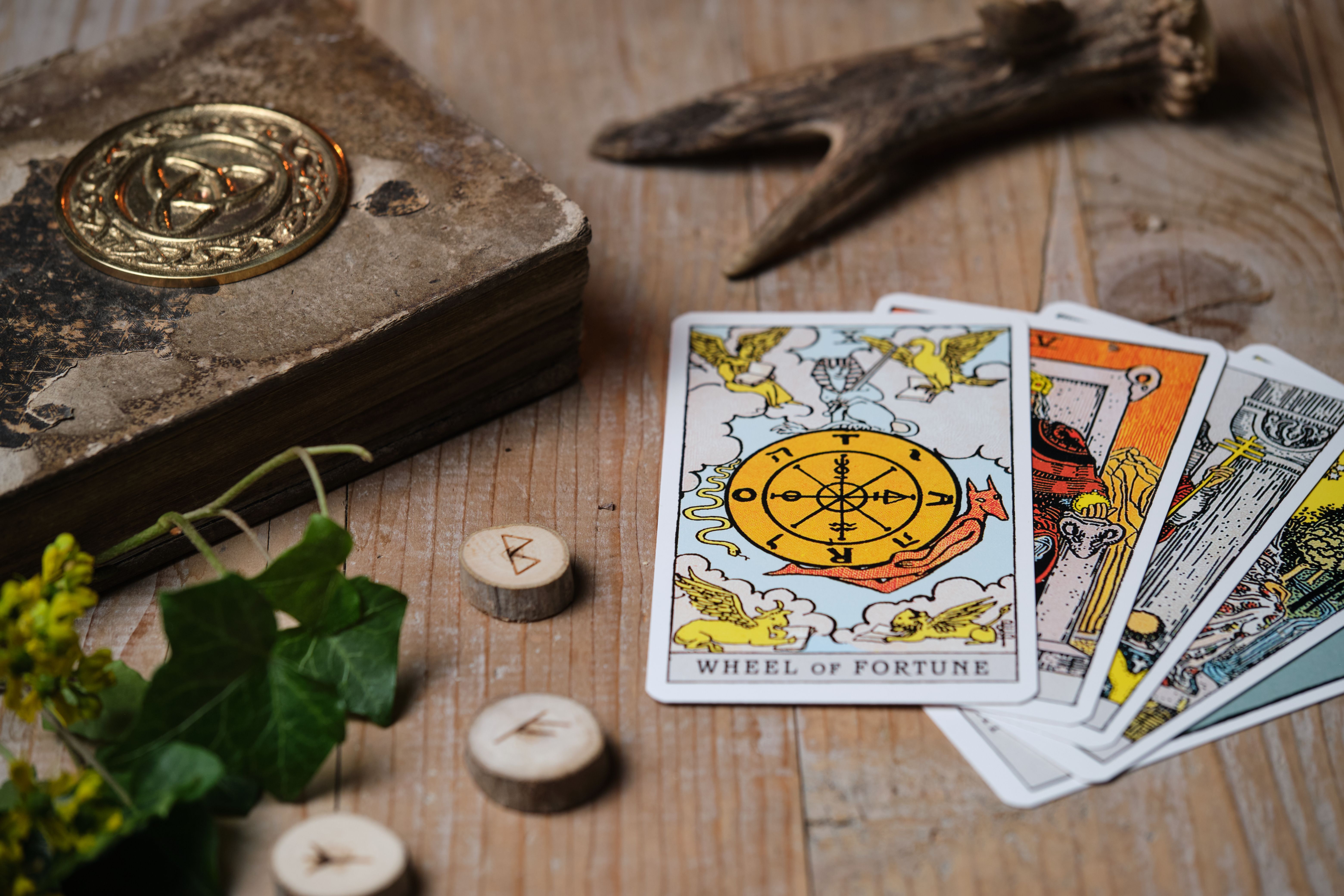
A standard tarot deck consists of 78 cards, divided into two main categories: the Major Arcana and the Minor Arcana. The Major Arcana comprises 22 cards that represent significant life themes and spiritual lessons. These cards often carry profound meanings and are pivotal in readings.
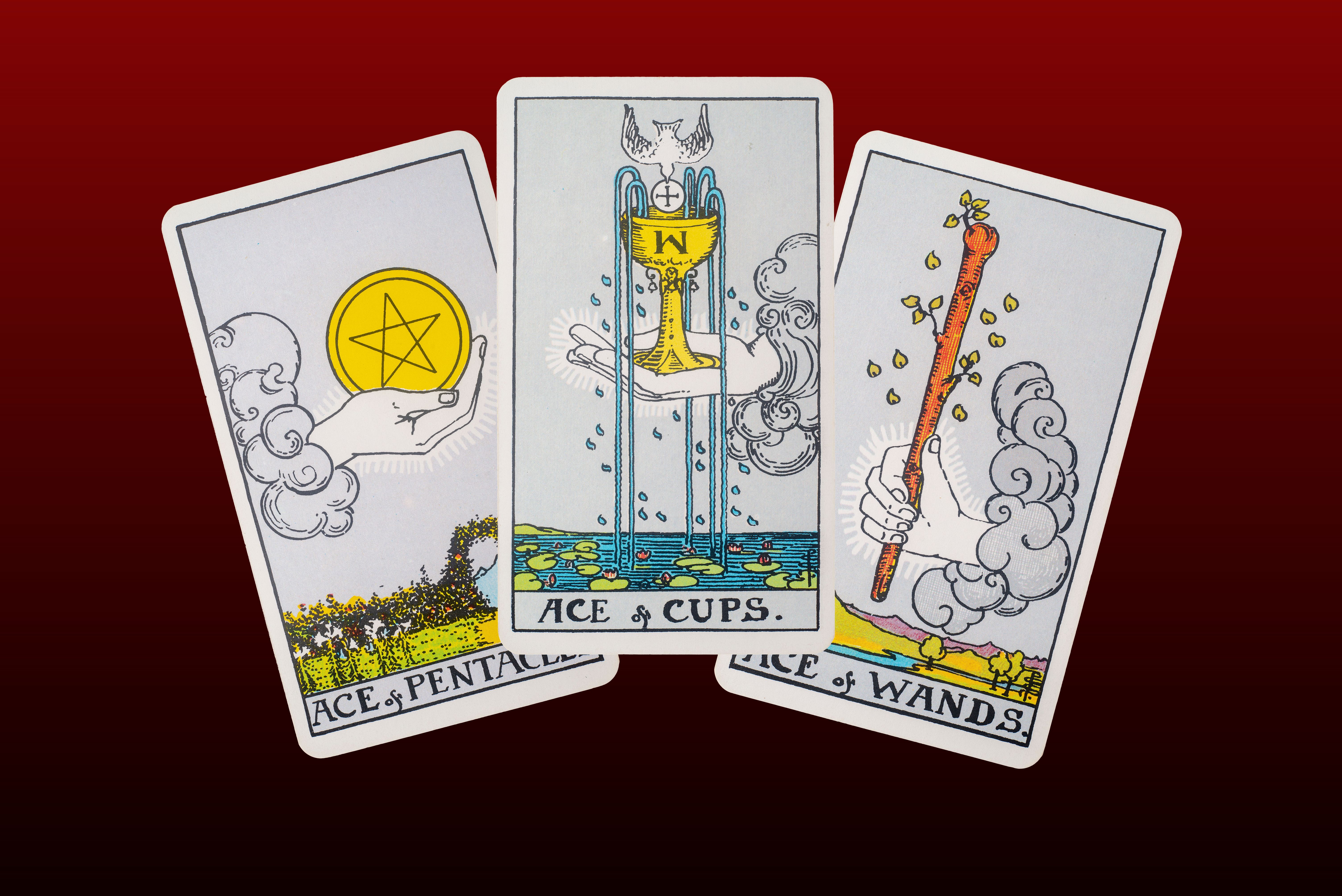
The Minor Arcana, on the other hand, consists of 56 cards divided into four suits: Cups, Pentacles, Swords, and Wands. Each suit corresponds to different aspects of life and is similar to a deck of playing cards. Understanding these suits is essential for interpreting the messages within a tarot spread.
Interpreting the Cards
Interpreting tarot cards requires intuition and an open mind. While each card has traditional meanings, modern interpretations encourage readers to trust their instincts and personal experiences. It's important to remember that tarot is not about predicting the future but rather about gaining insight into present circumstances.
Many beginners find it helpful to start by learning the common interpretations of each card. However, as you become more comfortable, you may develop your own meanings based on how each card resonates with you personally.

Using Tarot for Self-Reflection
One of the most powerful uses of tarot is for self-reflection. By drawing cards and contemplating their meanings, individuals can gain a deeper understanding of their emotions, challenges, and aspirations. This process can lead to greater clarity and empowerment.
To get started, consider creating a daily ritual where you draw a single card and reflect on its message throughout the day. This practice can help you connect with your inner thoughts and feelings, fostering personal growth and awareness.
Common Tarot Spreads for Beginners
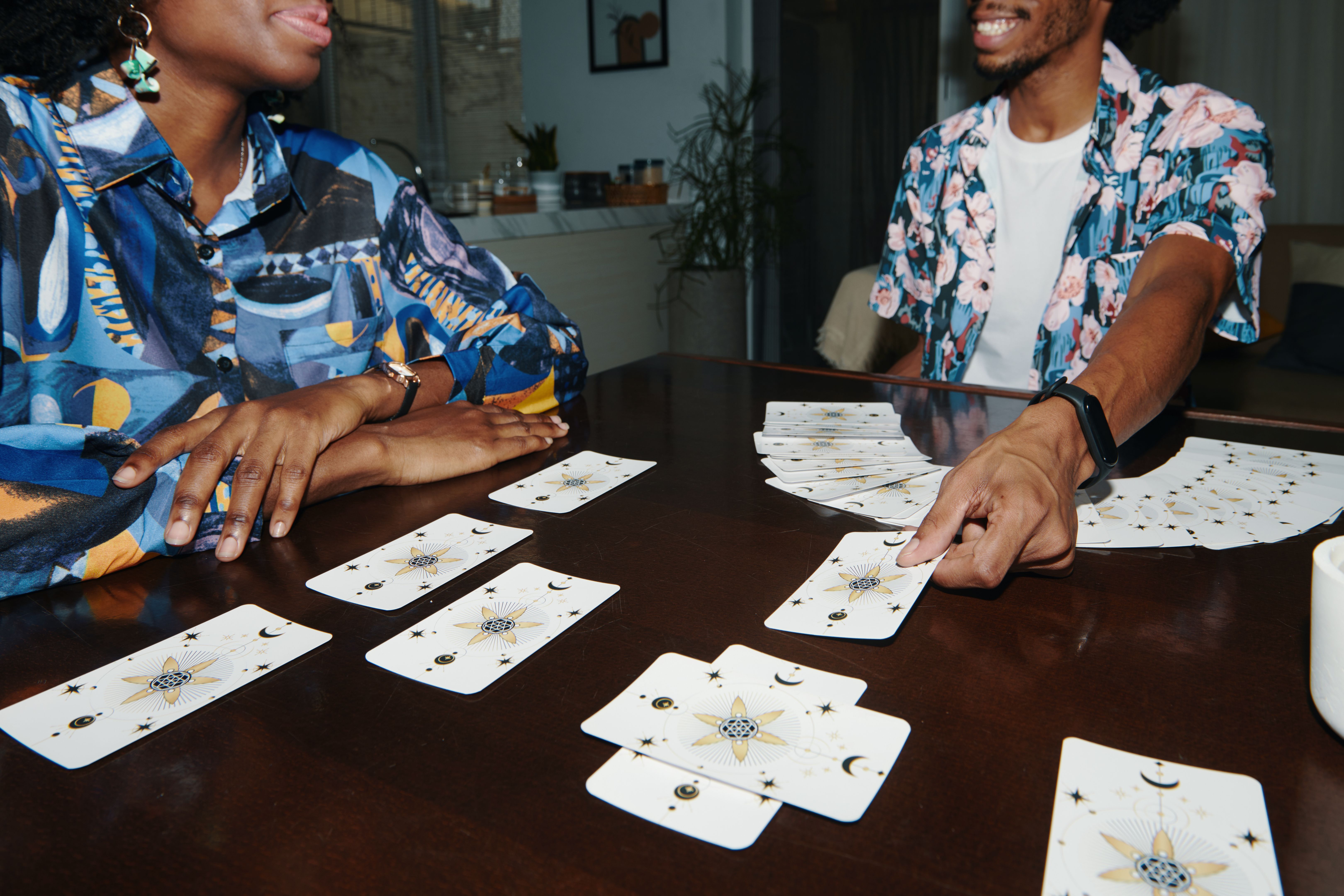
For those new to tarot, using simple spreads can make the process less overwhelming. Here are a few common spreads to try:
- One-Card Draw: Ideal for daily guidance or when seeking clarity on a specific question.
- Three-Card Spread: Offers insight into past, present, and future influences surrounding a situation.
- Celtic Cross: A more complex spread that provides a comprehensive overview of a question or issue.
Developing Your Tarot Practice
As you delve deeper into tarot, it's essential to remain patient and open-minded. Developing your practice takes time and dedication. Keep a journal to record your readings and note any patterns or insights that emerge over time. This documentation can be invaluable in tracking your progress and understanding your personal growth journey.
It's also beneficial to engage with the wider tarot community. Joining forums or attending workshops can provide support, guidance, and new perspectives that enrich your understanding of tarot.
Conclusion
Understanding modern tarot interpretations is an enriching endeavor that offers profound personal insights. By approaching tarot with curiosity and an open heart, beginners can embark on a transformative journey of self-discovery. Whether you use tarot for personal reflection or as a tool for decision-making, its benefits are vast and varied.
Remember, the true magic of tarot lies not in its ability to predict the future but in its power to illuminate the present moment.