Understanding Tarot: A Beginner’s Guide to Modern Tarot Interpretations


Tarot has captivated the imagination for centuries, evolving from a simple card game to a powerful tool for introspection and guidance. As interest in tarot continues to grow, many seek to understand its modern interpretations and how it can be used in everyday life.
The Basics of Tarot
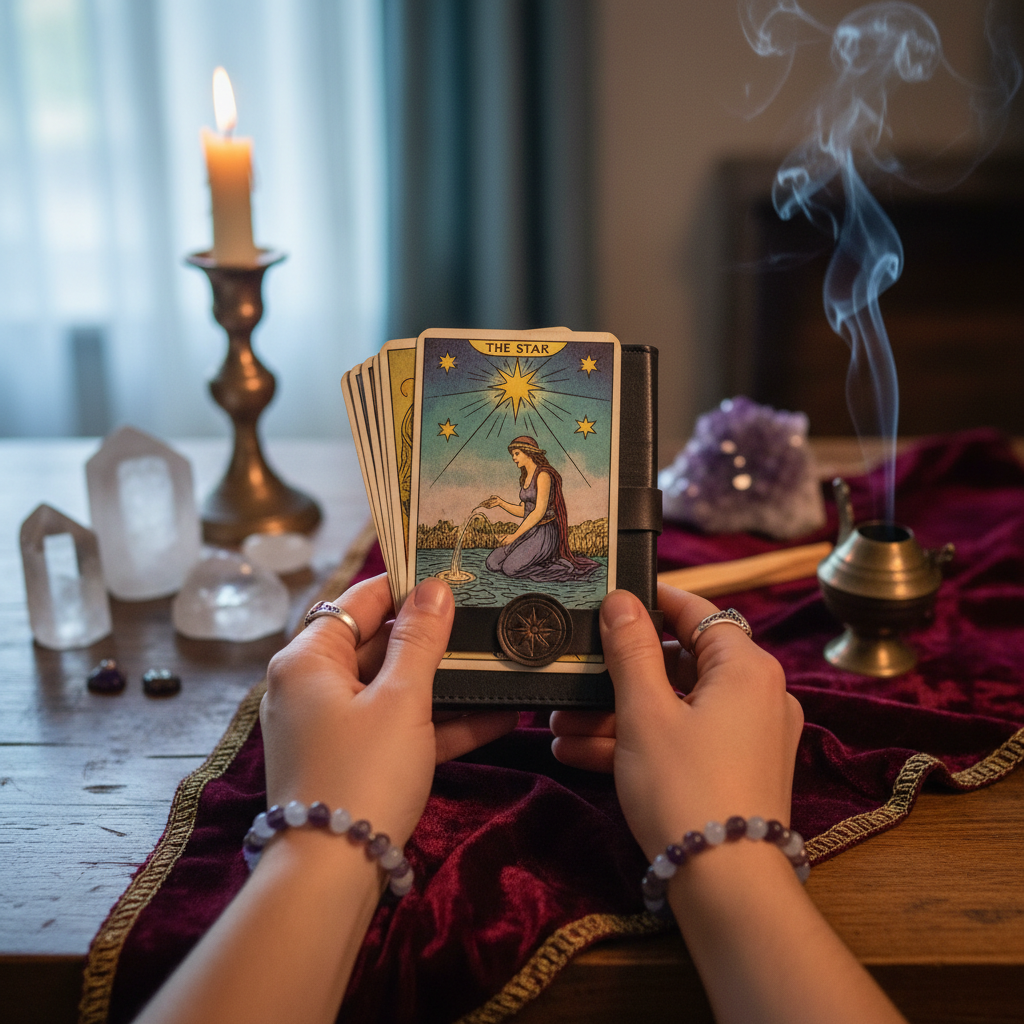
At its core, a tarot deck consists of 78 cards divided into two main categories: the Major Arcana and the Minor Arcana. The Major Arcana includes 22 cards that represent significant life themes and spiritual lessons, while the Minor Arcana is made up of 56 cards divided into four suits: Cups, Pentacles, Swords, and Wands. Each suit focuses on different aspects of life and personal experiences.
Understanding these basics allows beginners to start exploring the deeper meanings behind each card. Familiarity with the deck's structure is essential for accurate readings and interpretations.
Major Arcana: Life's Big Lessons
The Major Arcana cards are often seen as the most impactful, symbolizing major life events and spiritual insights. Cards like The Fool, The Magician, and The World each have unique messages and interpretations. These cards often guide seekers through life's pivotal moments, offering insights into their journey.
Modern Interpretations
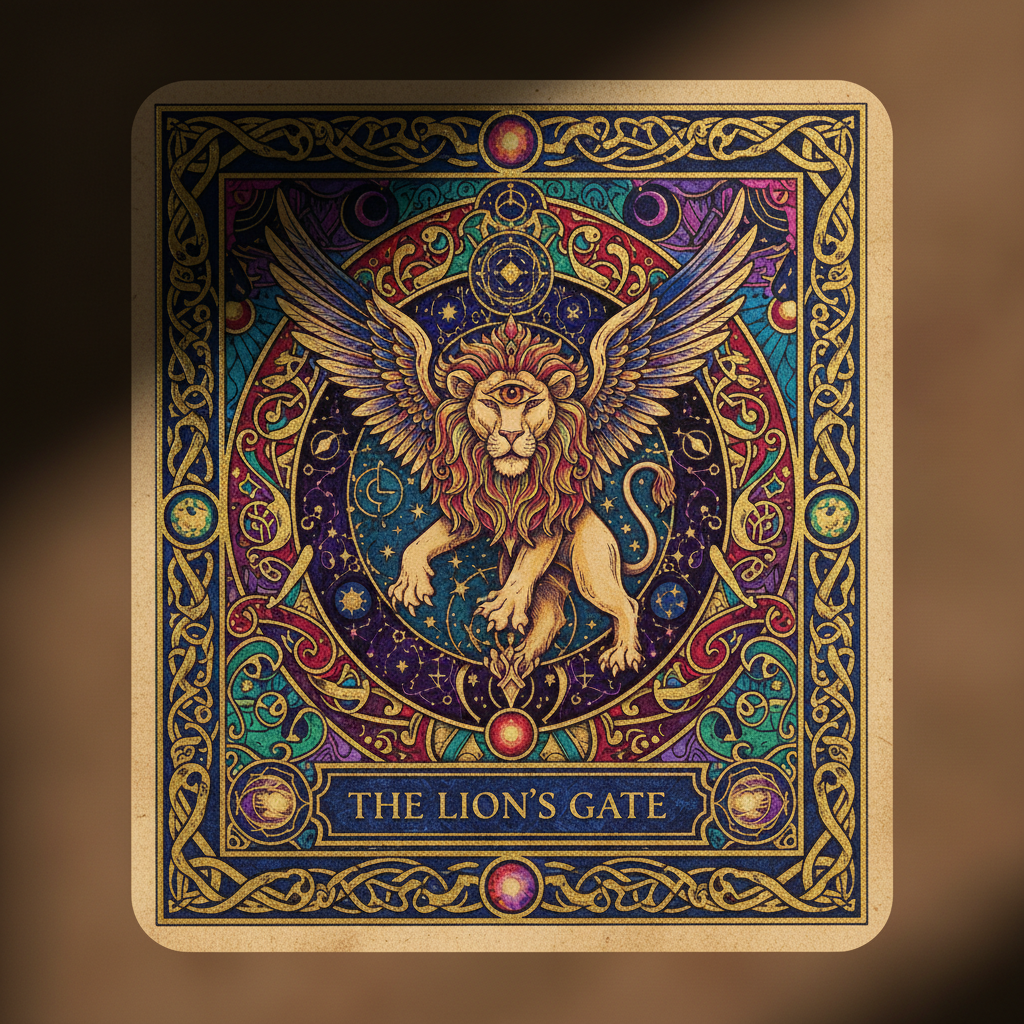
Today's tarot readings are not just about divination; they serve as a tool for self-reflection and personal growth. Modern interpretations encourage users to connect with their intuition, viewing each card as a mirror reflecting their current state of mind and emotions.
Readers often use intuitive interpretations, combining traditional meanings with personal insights. This approach allows for a more personalized and relevant reading, especially in the context of contemporary life challenges.
Using Tarot for Self-Reflection
One of the most powerful uses of tarot is for self-reflection. By drawing cards, individuals can gain clarity on personal issues, identify emotional blocks, and explore potential solutions. This introspective practice encourages mindfulness and deeper understanding of one's life path.
Getting Started with Tarot
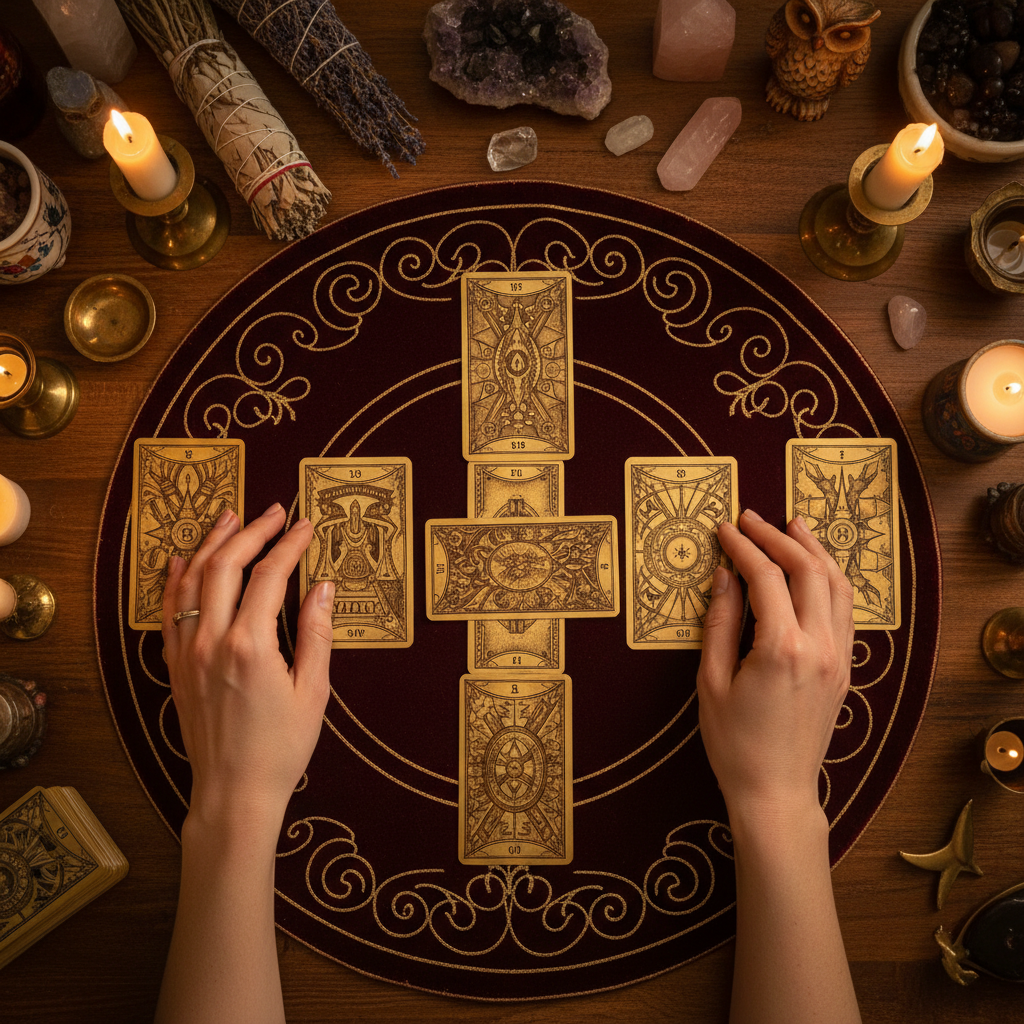
For beginners eager to dive into tarot, starting with a simple one-card or three-card spread is recommended. These spreads offer straightforward guidance and are easy to interpret. Consistent practice will build confidence and deepen understanding over time.
- One-card spread: Focuses on a single question or theme.
- Three-card spread: Offers insights on past, present, and future.
Remember, the key to effective tarot reading is an open mind and a willingness to explore the unknown. With patience and practice, tarot can become a cherished tool for personal insight and growth.