Unlocking the Mysteries: A Comprehensive Guide to Tarot Reading


Introduction to Tarot Reading
Tarot reading is an ancient practice that has captivated people for centuries. It is a tool for divination and self-reflection, offering insights into the past, present, and future. Whether you're a curious beginner or a seasoned practitioner, understanding the nuances of tarot can be both enlightening and empowering.
The History of Tarot
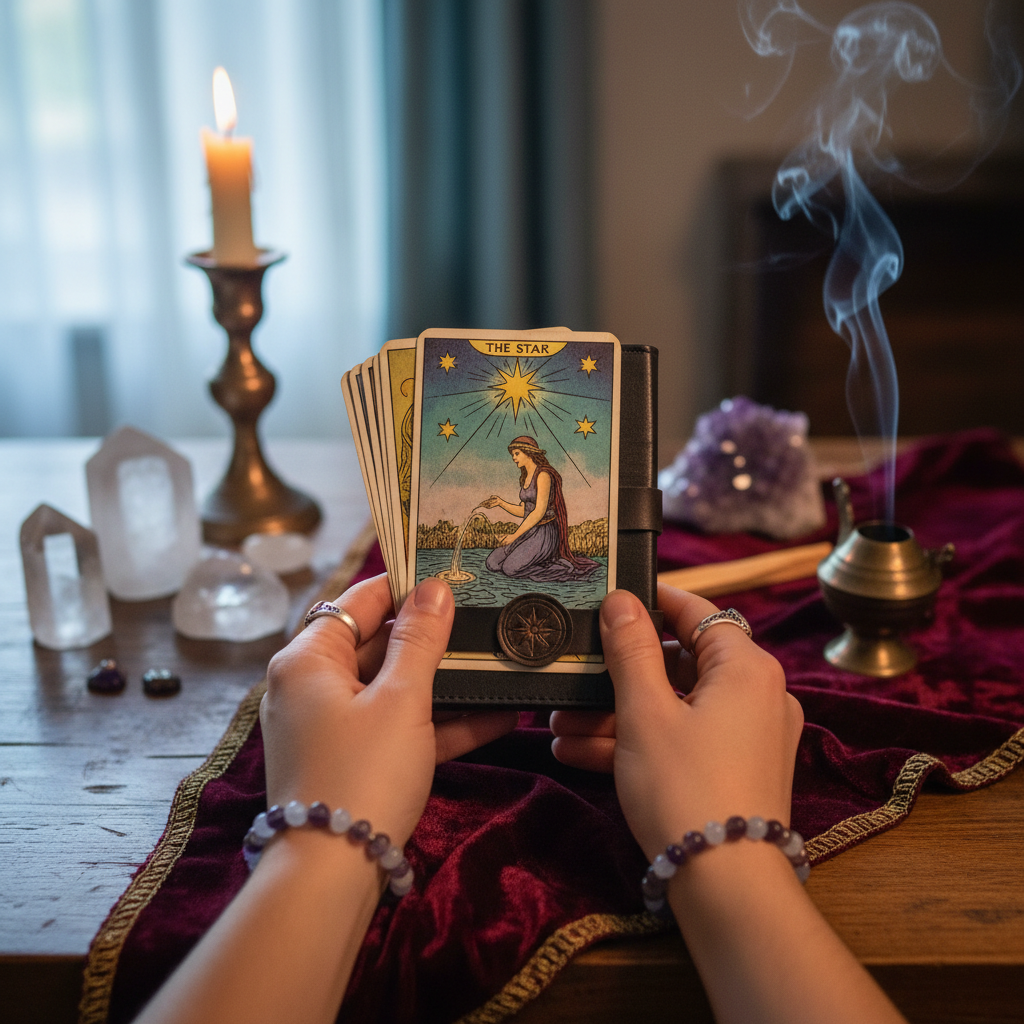
The origins of tarot cards can be traced back to the 15th century in Europe, where they were initially used as playing cards. Over time, their use evolved into a spiritual and mystical practice. The rich history of tarot has contributed to its enduring fascination and diverse interpretations across different cultures.
The Evolution of Tarot Decks
Throughout history, tarot decks have undergone significant changes. The traditional Rider-Waite deck, created in the early 20th century, remains one of the most popular. Today, there are countless variations, each with unique artistic styles and symbolism, offering readers a wide array of options to choose from.
Understanding the Tarot Deck
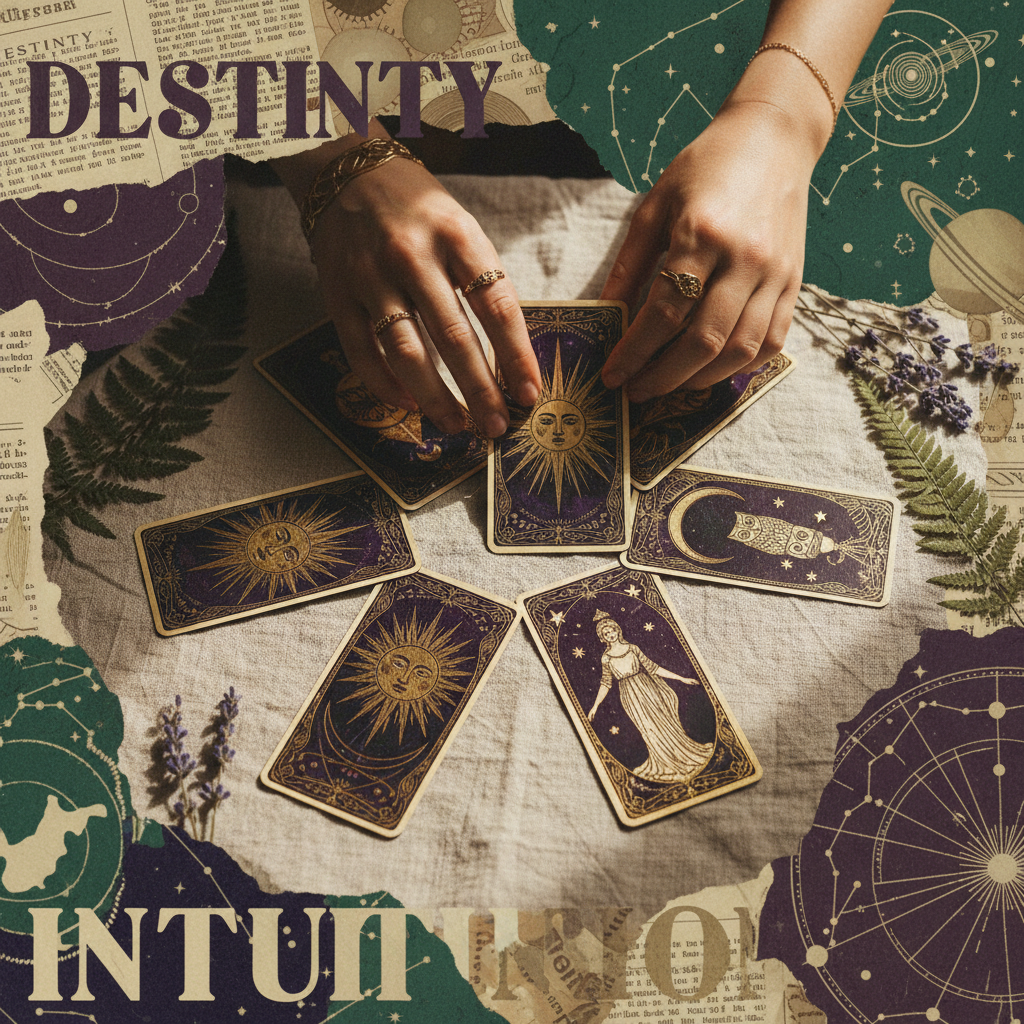
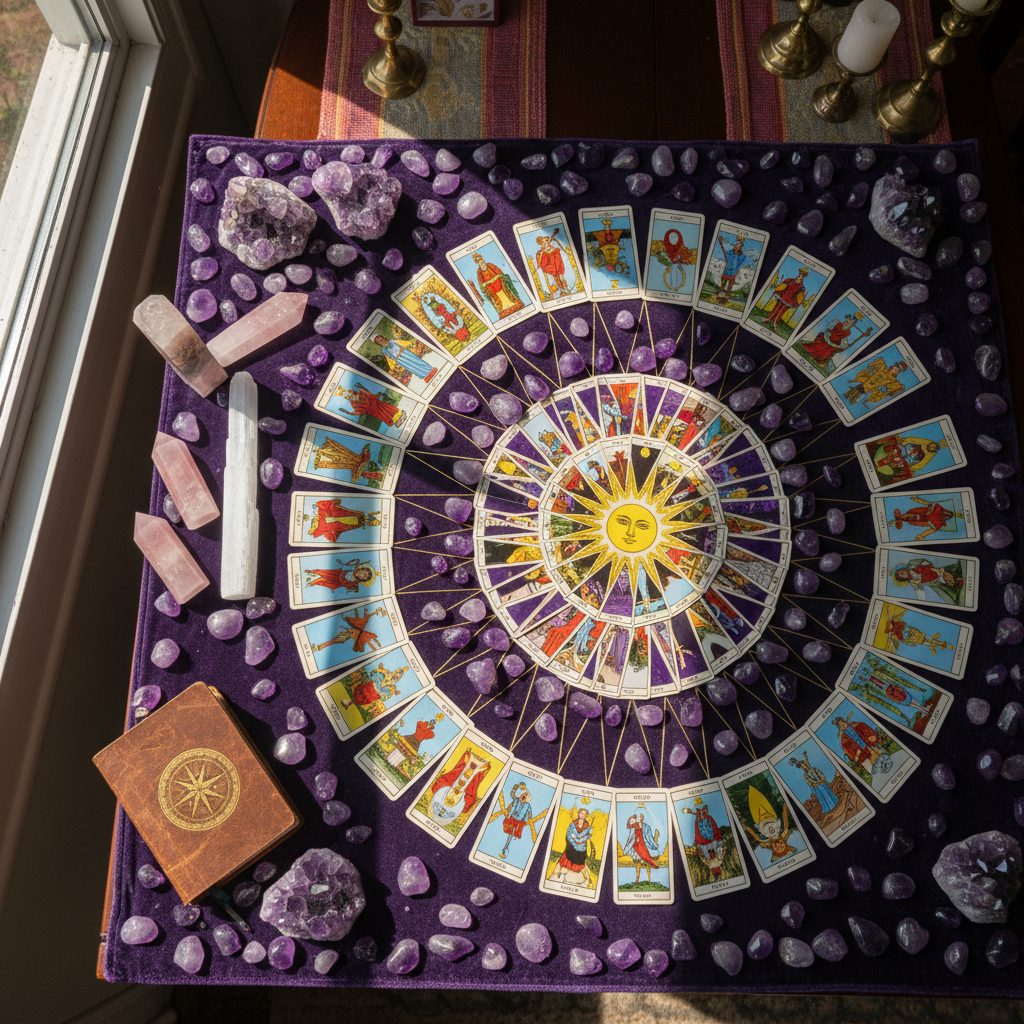
A standard tarot deck consists of 78 cards, divided into two main categories: the Major Arcana and the Minor Arcana. Each card carries its own meaning and symbolism, contributing to the depth of a tarot reading.
The Major Arcana
The Major Arcana consists of 22 cards, each representing significant life themes and lessons. Cards like The Fool, The Lovers, and The World are part of this group, offering profound insights into the human experience.
The Minor Arcana
The Minor Arcana is made up of 56 cards divided into four suits: Cups, Pentacles, Swords, and Wands. These cards focus on day-to-day events and personal challenges, providing more detailed guidance on specific issues.
How to Conduct a Tarot Reading
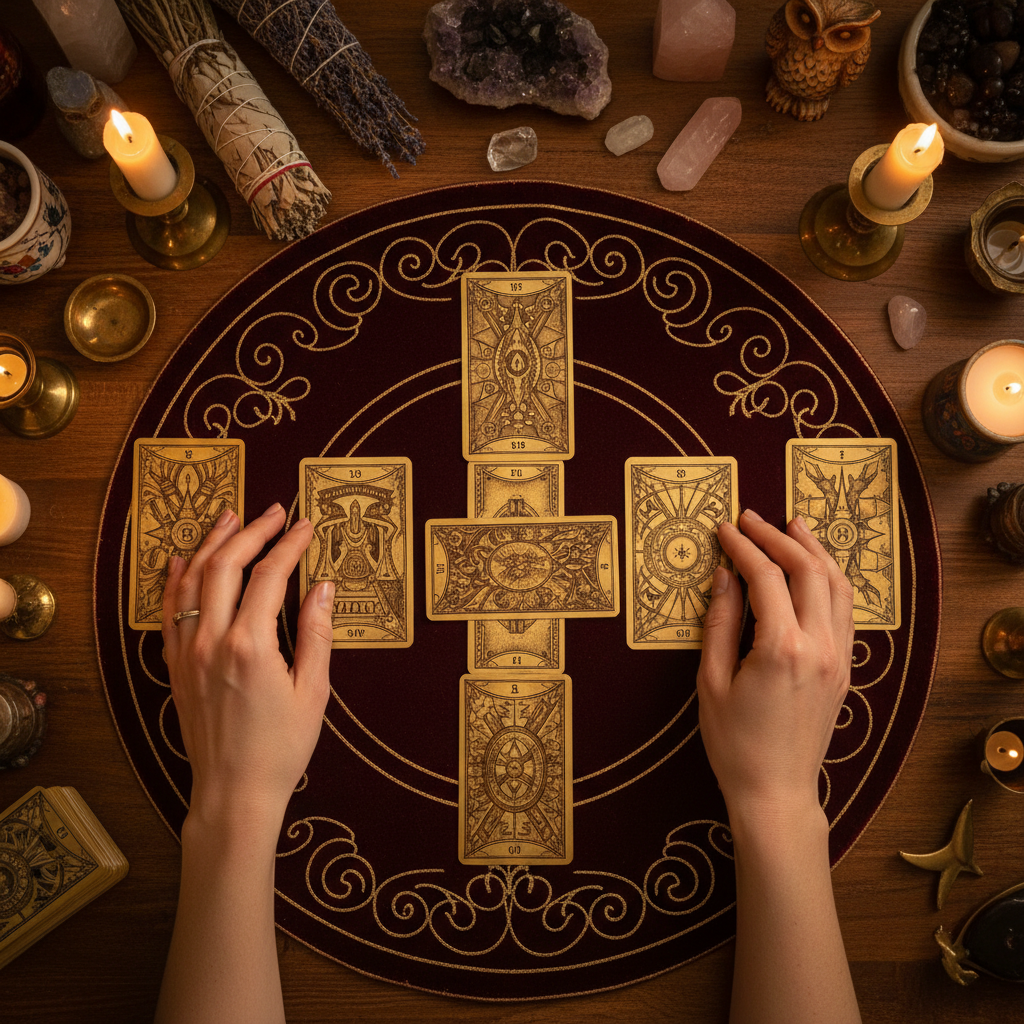
Conducting a tarot reading involves more than just drawing cards. It requires intuition, interpretation, and a connection to the querent's energy. Here are some steps to help you get started:
- Prepare the Space: Create a calm and focused environment to enhance your intuitive abilities.
- Choose a Spread: Decide on a card layout, such as the three-card spread or the Celtic Cross, depending on the guidance sought.
- Interpret the Cards: Analyze the cards’ meanings in relation to the querent's question, considering positions and relationships between cards.
Developing Your Intuition
Building intuition is crucial for accurate tarot readings. Practice regularly to strengthen your intuitive skills, and don't hesitate to explore different decks and spreads to find what resonates most with you.
Journaling Your Readings
Keeping a tarot journal is a valuable practice. Documenting your readings, thoughts, and interpretations can help you track your progress and deepen your understanding of the cards.
Conclusion
Unlocking the mysteries of tarot is a journey that combines history, symbolism, and intuition. By exploring these elements, you can gain profound insights into yourself and the world around you. Whether for personal growth or guiding others, tarot reading is a powerful tool for introspection and enlightenment.